


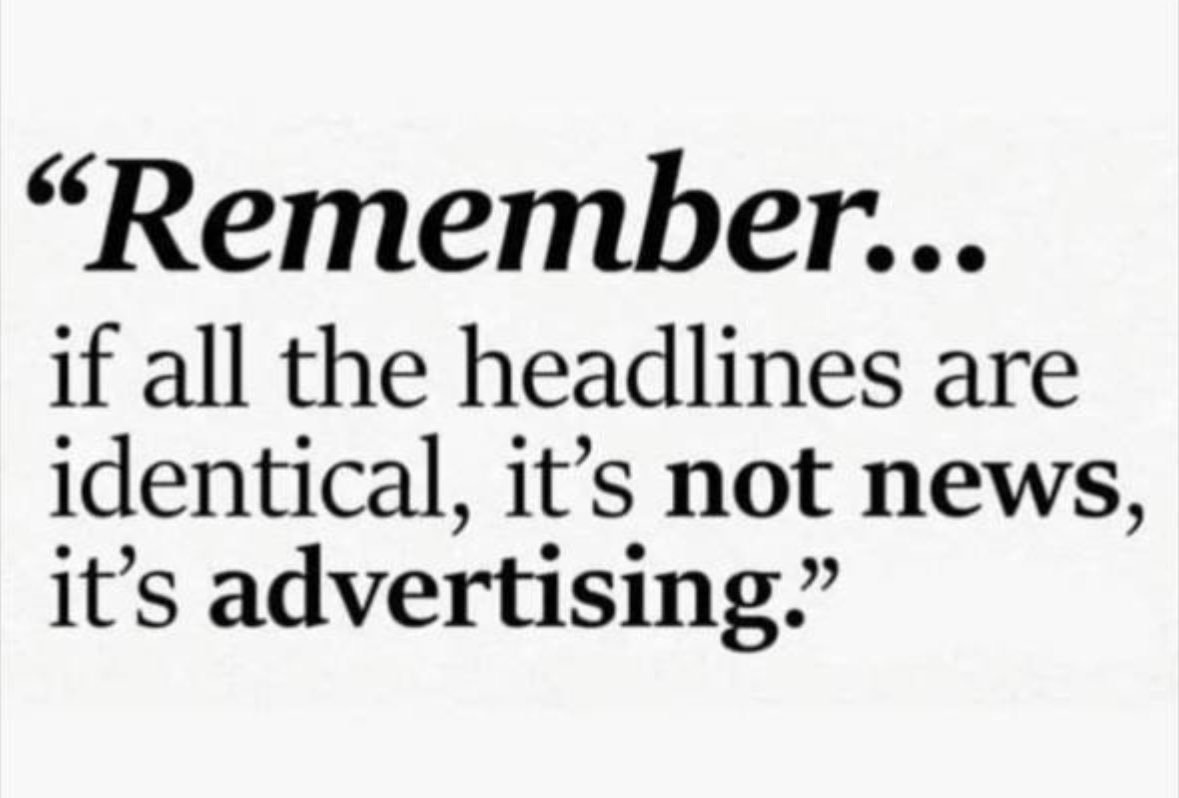
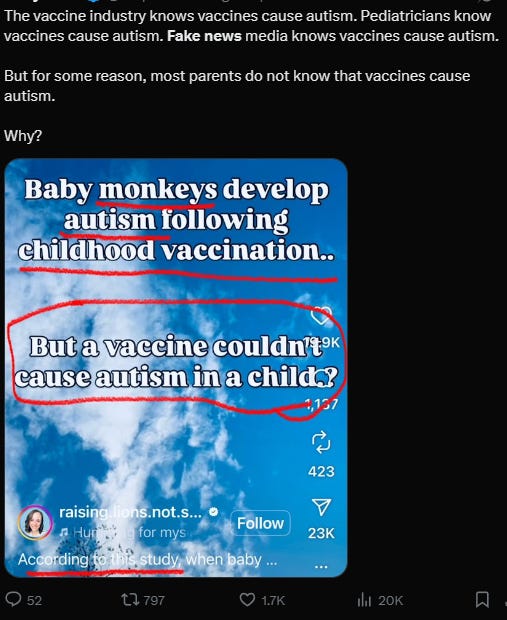
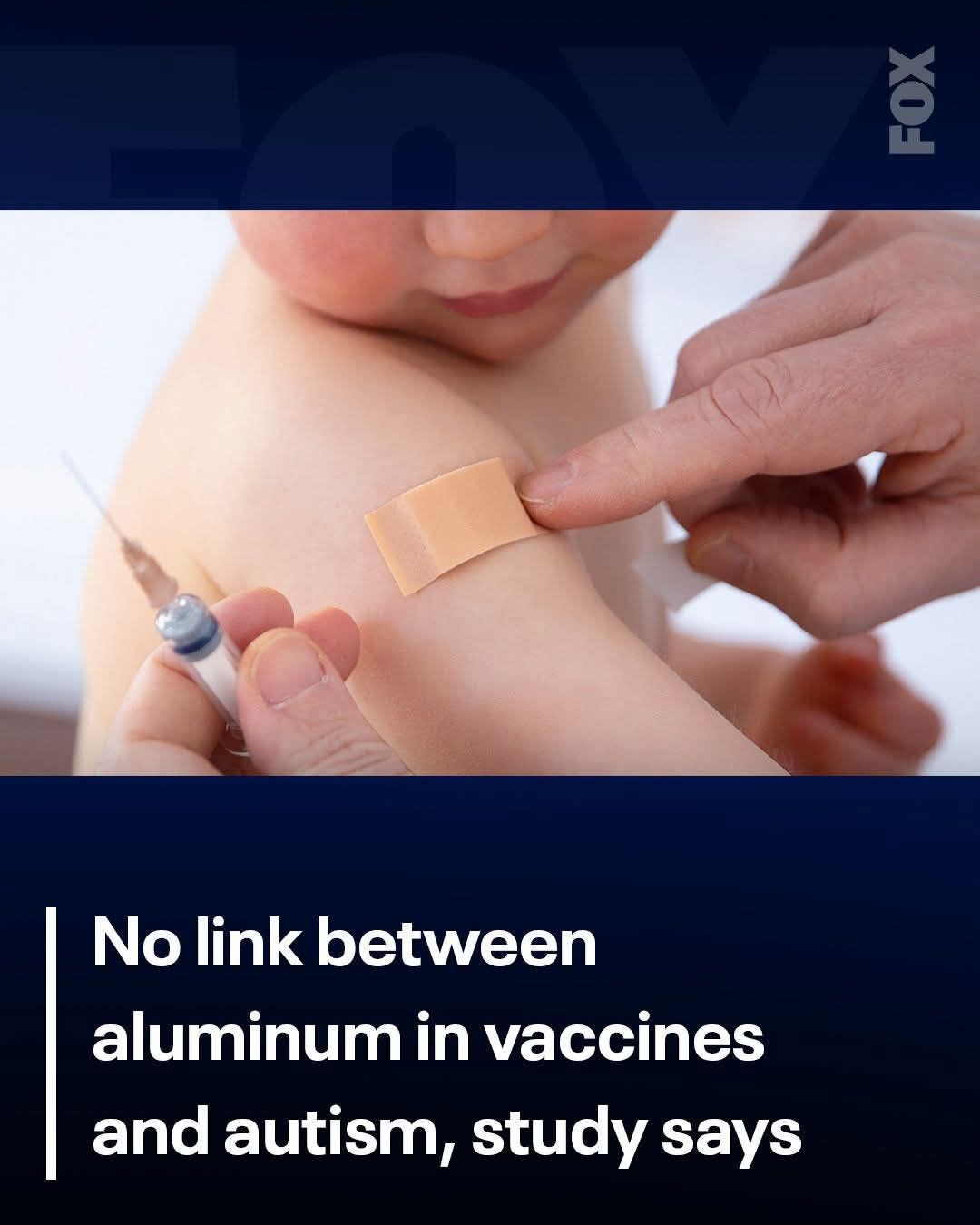
First, let me show you some glimpses of fake news, and then I will explain 10 Fake News Tactics to give you a proper understanding.
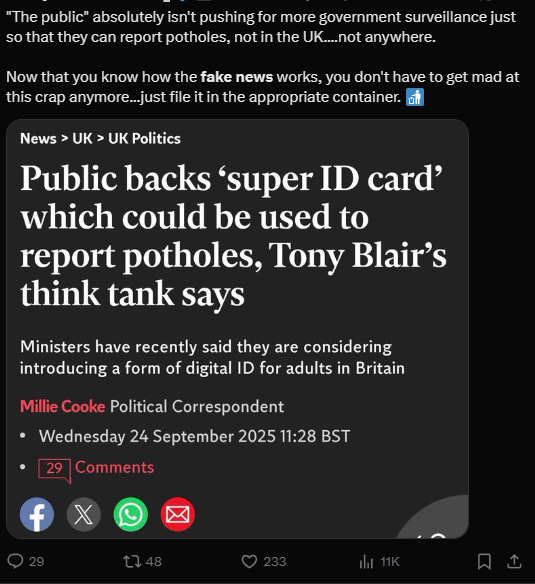
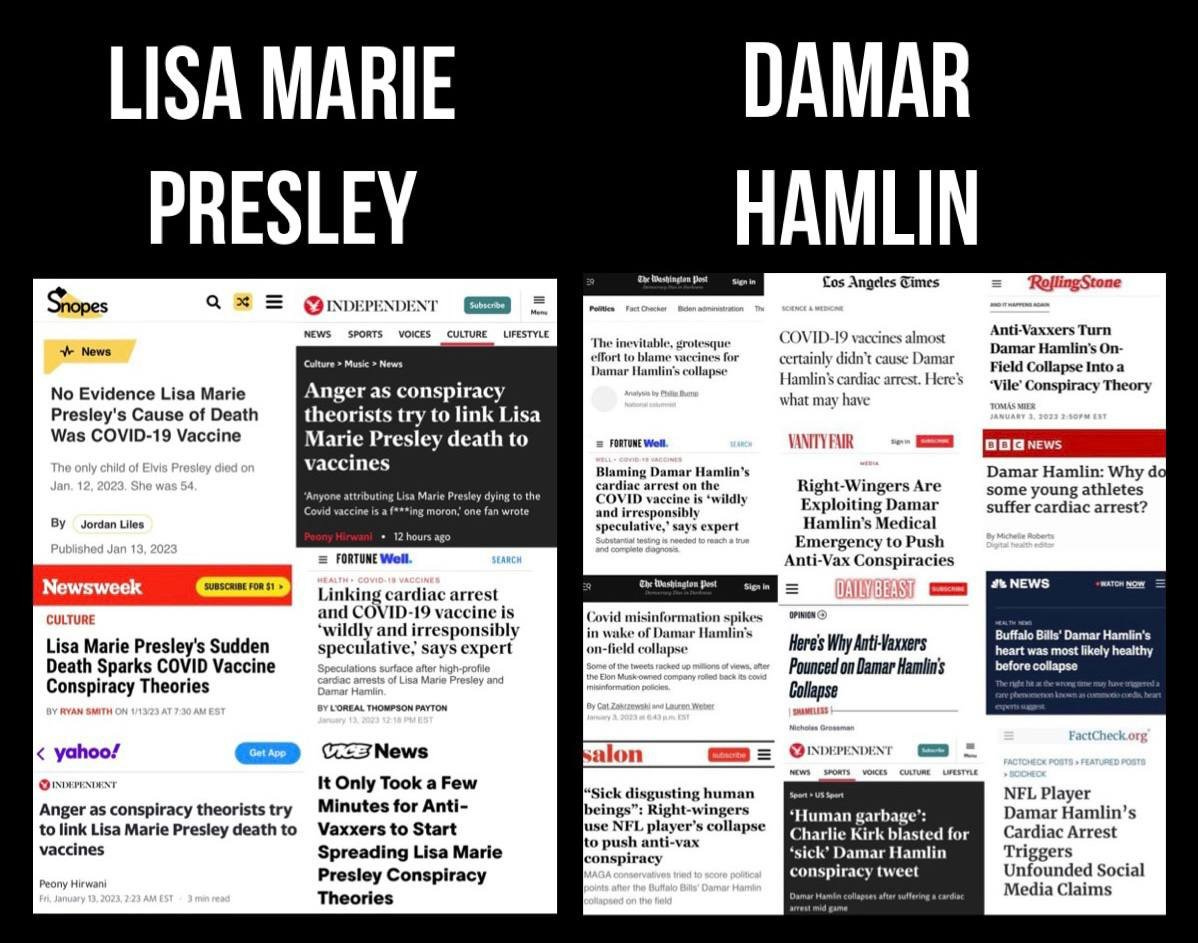

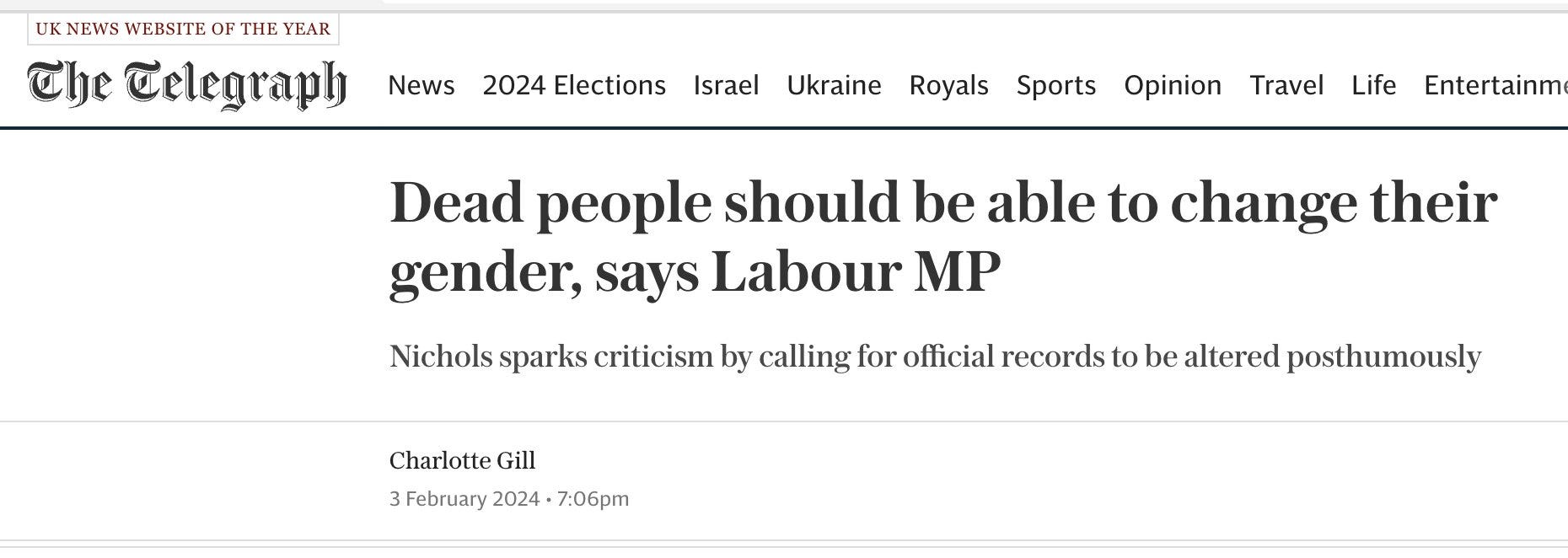
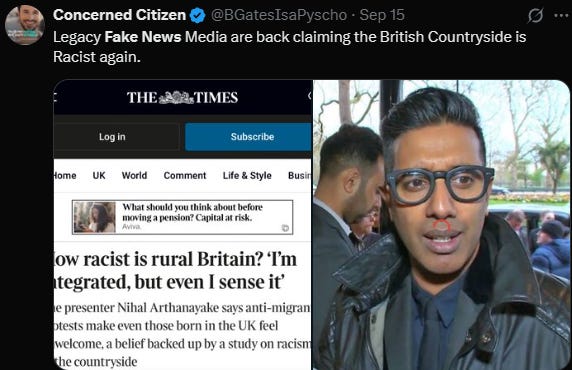

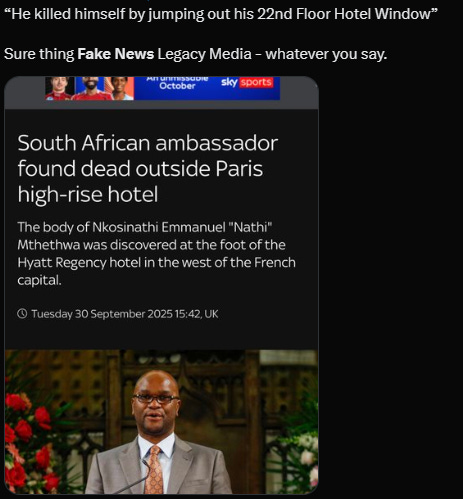
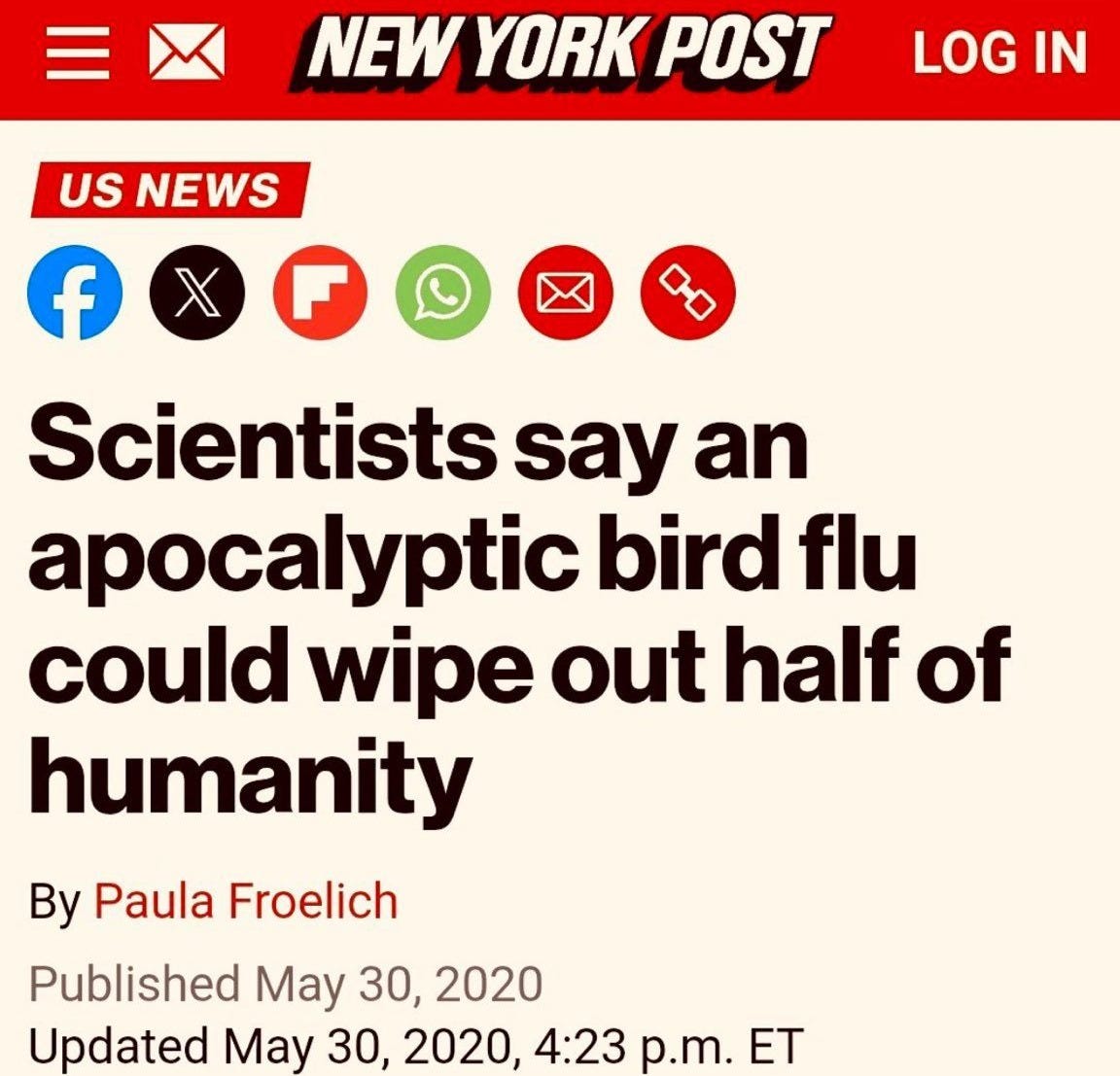
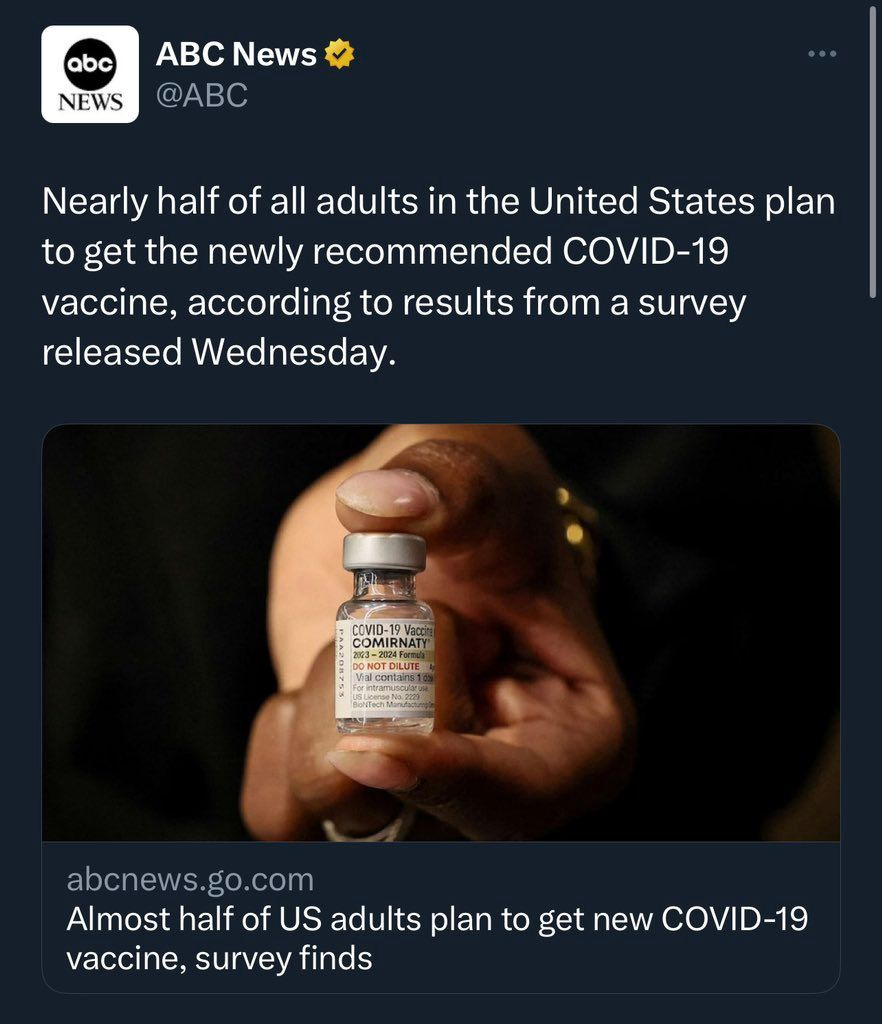
1. They write an article purely about data, throw out large numbers to scare you, but won’t give you the minuscule percentage it equates to because they know most people won’t bother to do the math. So instead, all people see is that big number. Then, they take an aspect within the overall data topic, that equates to a much larger percentage, and push that to the forefront to stoke fear, so it’s the only percentage that sticks in ones mind. This is commonplace in fake news. Do the math yourself.
2. They write some dramatic piece to justify their narrative, throwing out numbers and percentages, then create a graph to reflect just how awful it appears to be. The only problem is, they only factored in about 2 out of 10 elements that would need to be taken into account to derive at the numbers they came to. They tell less than half the story, sum it up with a shocking visual, and people fall for it. Another thing they do with numbers is push a scare tactic with a global death rate attached to a year, but don’t mention it’s global, leading people to believe that is the death rate in the U.S. alone. They do this with the vaccine industry all the time. “Over 110,000 people died from the measles in 2017,” with a big fat zero in the U.S., but they fail to mention that part.
3. They scribble out a 2,000 word spin on a story, beginning with an intriguing detail and perhaps a fact or two. Once they grip your mind, they go in for the kill – filling it with a pumped up opinion made to look like facts, while not providing a shred of evidence. About 3/4 of the way down the article, they lay out that basically everything they just stated was bs, in one single sentence, that about 5% of people will ever reach.
4. The emotionally driven articles meant to fuel anger, hate, or fear, that are typically backed with a bunch of false or exaggerated statistics, piped full of bought-off scientific research, or a personal story from a paid actor.
5. “Our sources say” is no longer a good look. Nine times out of ten it’s either intentional leaked disinformation, someone with a grudge, or the sources are non-existent. Stick with journalists who provide evidence, unless you have followed a journalist’s track record long enough to know that if they occasionally have an anonymous “source” and you are able to connect additional dots with evidence, keep it in the plausibility compartment until more information comes out.