


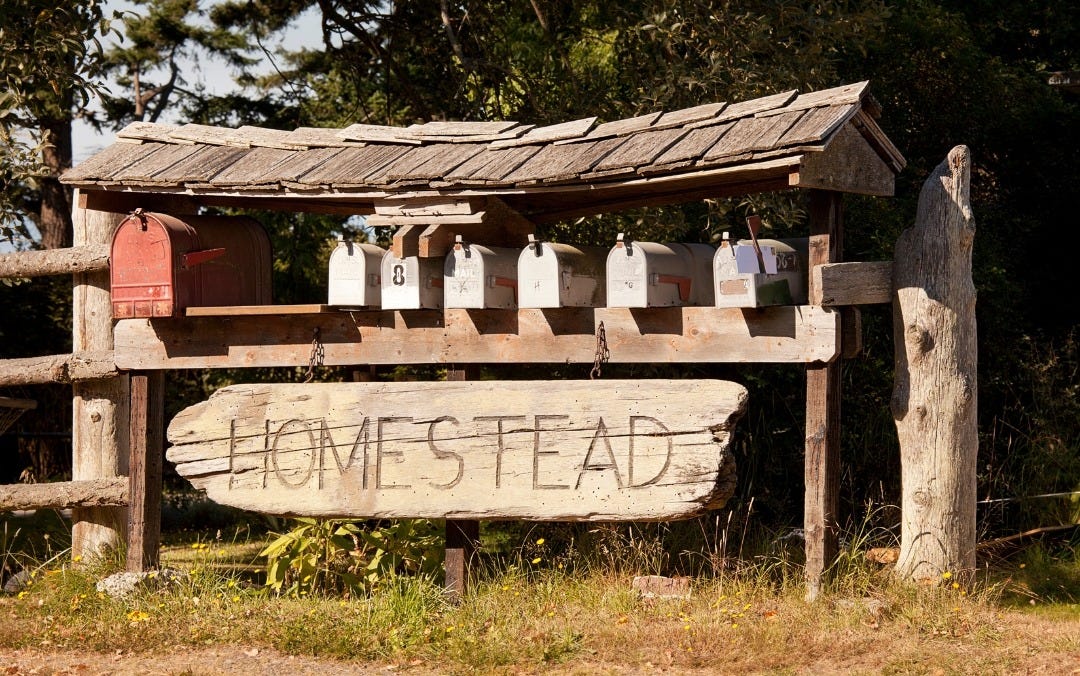
Today, I want to share some thoughts on urban homesteading. A question I hear often is: How can someone start homesteading without land, especially if they live in the city?
I always like to remind people that you don’t need acres of land to be a homesteader. Homesteading is more about a mindset than owning property or raising animals.
Many people picture homesteading as living on a large rural plot, growing your own food, raising livestock, and being completely off-grid. While that’s one way to do it, the idea that you must live in the countryside to call yourself a homesteader isn’t true.
Forget that limiting thought. Homesteading is about self-reliance, learning practical skills, and reducing dependence on outside systems. It’s also about connecting with your community, sharing knowledge, and building resilience—not just surviving alone. The best part? You can practice these principles anywhere, even in the heart of a city.
So, can you really homestead in an urban setting? Absolutely. Whether you’re in a small apartment, a condo, or a townhouse, there are plenty of ways to bring homesteading into your life. You don’t have to move to the countryside to live a self-sufficient lifestyle.
In this post, I’ll explore how to make urban homesteading work, including growing your own food in limited spaces, caring for small animals, creating homemade products, and integrating other homesteading practices into your everyday life. Living sustainably and independently is possible—even in the city—and it starts with the right mindset.
Growing Food in Small Spaces
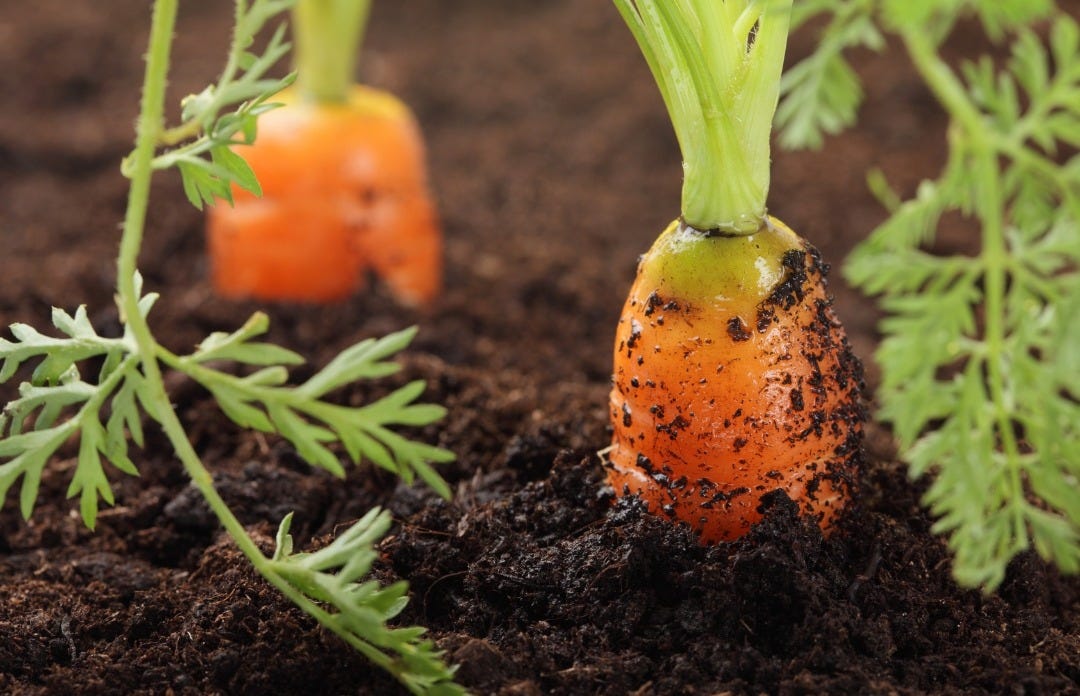
One of the most rewarding parts of homesteading is growing your own food. There’s something special about stepping outside (or even into your kitchen) and picking fresh herbs, greens, or a ripe tomato that you grew yourself. But what if you live in the city and don’t have much room for a garden?
The key is learning to make the most of every bit of space you do have. Balconies, windowsills, doorsteps, and even countertops can be turned into little garden spots. I once lived in a multi-unit building where a neighbor filled their porch with grow bags and even tucked them around the outside of the building because nobody minded—it was like their own mini urban farm.
If you’re in a small apartment, container gardening is your best friend. Herbs like basil, parsley, and mint grow well in small pots, while leafy greens such as spinach and lettuce are quick, space-friendly crops. You can even grow compact vegetables like tomatoes, peppers, and beans in containers and still get a great harvest. Hanging baskets and wall planters are also perfect for squeezing in more plants.
What is vertical gardening?
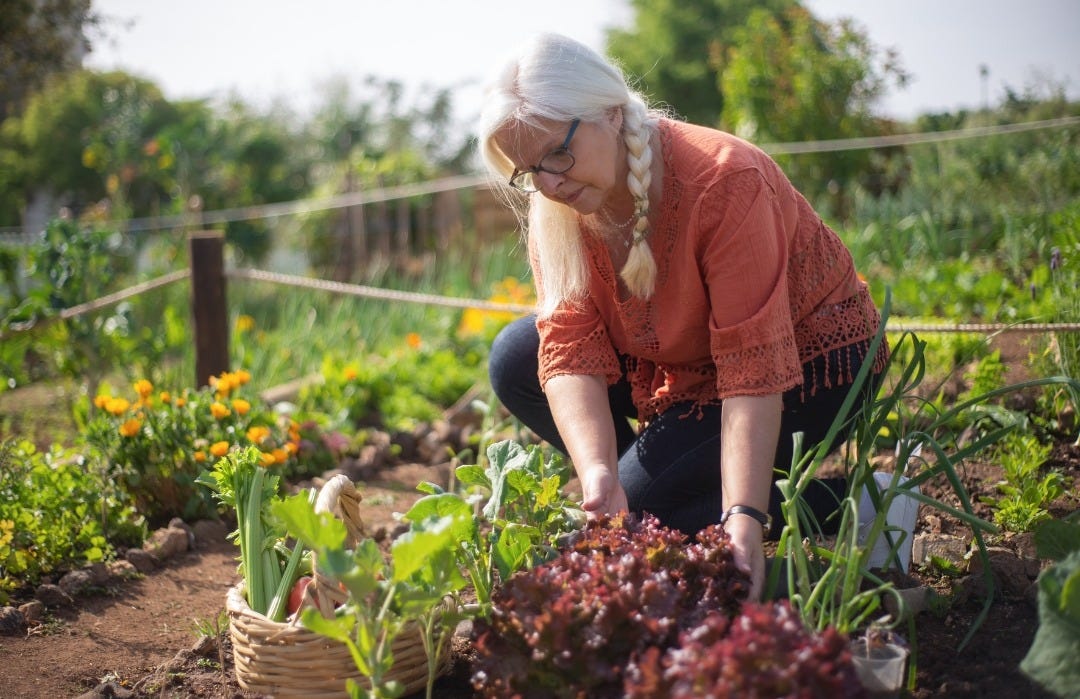
Vertical gardening is a smart way to expand beyond traditional pots and planters. By going “up” instead of “out,” you can dramatically increase your growing space. Trellises are perfect for crops like cucumbers, peas, and beans, while vertical planters let you stack pots on top of each other to maximize your yield. Even a sunny windowsill can host a vertical herb garden. And if you love strawberries (like I do), they’re a fantastic choice for vertical gardens since they spread beautifully and can be transplanted between pots.
Community gardens
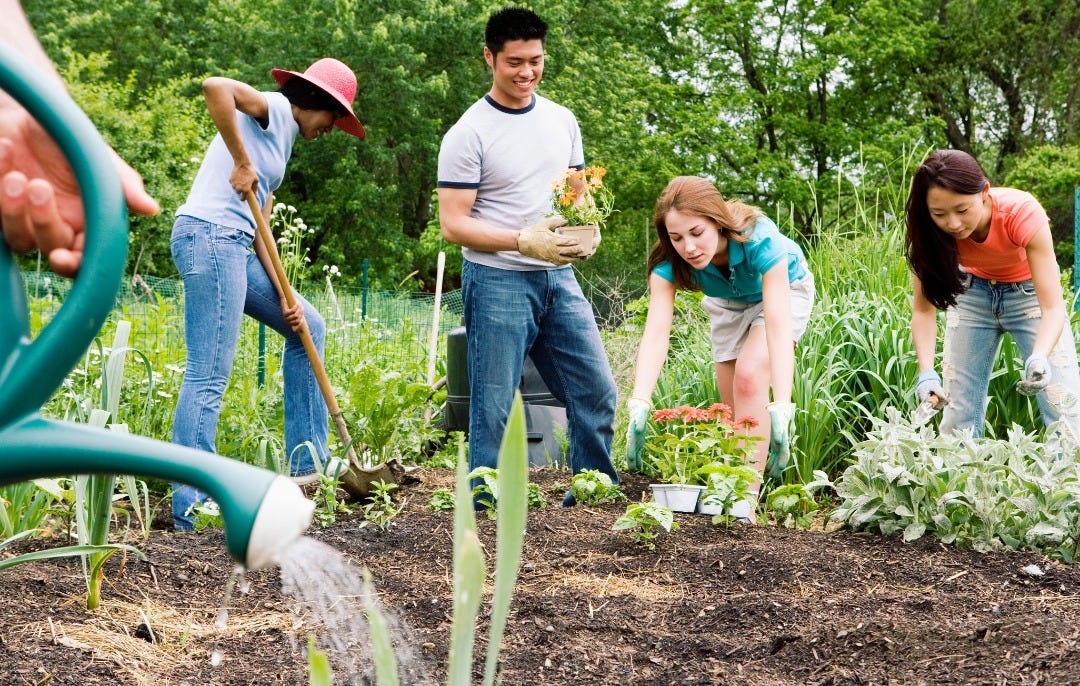
If you’re fortunate enough to live near a community garden, that opens up even more opportunities. Renting a plot allows you to grow a wider range of fruits, vegetables, and flowers than you might be able to fit at home. Plus, it’s a chance to meet others who share your passion for growing food, exchange tips, and become part of a supportive network.
Whether you’re growing in pots on a balcony or tending a shared garden space, the joy of harvesting your own food is the same—it’s deeply satisfying and a big step toward a more self-sufficient lifestyle.
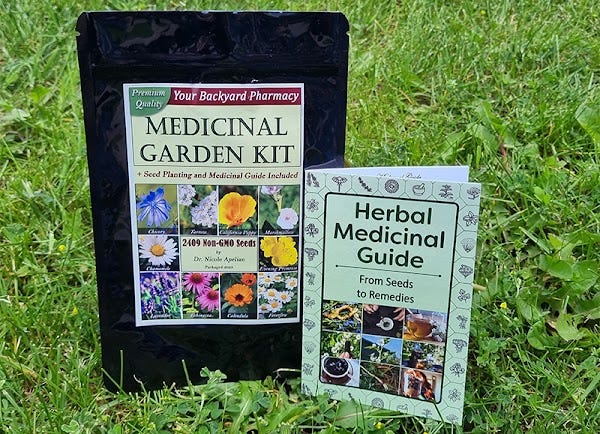
Grow your own natural pharmacy! The Medicinal Garden Kit comes with 12 healing herbs and a complete guidebook to help you use them safely at home.
Preserving Your Harvest
How do you preserve your garden produce?
Once you start growing food, you’ll quickly realize that preserving it is just as important as growing it. Fresh produce is wonderful, but preserving it for later use ensures that you have a year-round food supply. You don’t’ want your hard work to go to waste. There are various methods you can use to preserve food, and they can all be done in a small apartment or urban setting.
What is canning?
Canning is a great option for urban homesteaders. This technique allows you to preserve fruits, vegetables, meats, and even stocks. While canning requires some equipment—jars, lids, a canner, and sometimes a pressure cooker—it’s still feasible to do in an urban environment. Search the thrift stores for supplies. Usually the secondhand stores are filled with canning supplies and sometimes you can even find canners for a steal.
The beauty of canning is that it’s a long-lasting form of preservation, and once you’ve mastered the basics, you can store your preserves for months or even years. You can can a wide range of foods, such as jams, sauces, pickles, and even meats, providing a nutritious and cost-effective alternative to store-bought items.
What is fermentation?
If you don’t have a lot of storage space or prefer simpler preservation techniques, fermentation is an excellent choice. Fermenting vegetables and fruits is an age-old technique that not only preserves food but also enhances its nutritional value. You can make fermented pickles, sauerkraut, kimchi, and even fermented beverages like kombucha and kefir.
Kefir is one of my favorite fermented foods because it is fermented milk, so it is like a yogurt but full of more beneficial bacteria and gut-building goodness. For fermentation in general, all you need is a clean jar, salt, water, and the right conditions, it doesn’t have to be difficult. Many urban homesteaders enjoy the benefits of fermentation because it’s a simple and effective way to preserve food, while also supporting gut health and creating a sustainable lifestyle.
For a more immediate preservation option, freezing your food is another great method, especially if you have a freezer. Freezing fresh produce, meats, or prepared meals allows you to stockpile food for later use. You can freeze just about anything, from vegetables to soups and casseroles, ensuring that you always have homemade food on hand. Properly sealing your frozen food with vacuum-sealed bags will also help reduce freezer burn and extend the shelf life. Just keep in mind that if the power goes out, you need to have a plan so the food in your freezer doesn’t spoil. I would suggest canning food from your freezer or freeze-drying it and having a rotating plan for that.
Raising Animals in the City
When people think about homesteading, they often picture wide-open fields with barns full of animals. But believe it or not, you can raise livestock even in an urban setting—it just requires a little creativity and a focus on smaller, low-maintenance animals that thrive in limited spaces.
Chickens in the City
Chickens are probably the most common choice for urban homesteaders, and for good reason. Many cities actually allow residents to keep a small flock (usually between two and six hens) as long as local rules are followed. Chickens don’t need much: a safe, sturdy coop, access to food and water, and a perch for roosting at night. In return, you’ll get fresh eggs almost every day.
If you’ve got a backyard, fitting in a chicken coop is easier than you might think. Even in smaller areas like patios, terraces, or balconies, you could house two hens if local regulations allow. Two chickens are plenty for daily eggs and companionship, without overwhelming your space. For colder climates, simply wrapping their coop with tarps is often enough to keep them safe through the winter—chickens don’t need heat lamps if they’re given the chance to acclimate naturally. And if space is really tight, quail can be a great alternative. They’re smaller than chickens, easier to manage, and still provide fresh eggs.
Urban Beekeeping
Another surprisingly city-friendly option is beekeeping. It’s becoming more popular in urban environments, especially on rooftops and near community gardens. Cities are often excellent for bees, since they can forage from countless flowers, trees, and backyard gardens.
Starting with bees requires a bit of upfront investment—hives, protective clothing, and basic tools—but the payoff is worth it. Not only can you harvest honey, beeswax, and pollen, but you’ll also be supporting your local ecosystem by boosting pollination. Even a balcony, rooftop, or small yard can be the perfect spot for a hive, as long as you provide a safe, sheltered space for the bees.
Rabbits for Small Spaces
Rabbits are another great option for urban homesteaders. They’re quiet, don’t take up much room, and are fairly low-maintenance. They can be kept in hutches, cages, or small pens in backyards, garages, or even on a balcony if properly cared for.
Rabbits eat a diet of hay, pellets, and fresh greens, and in exchange, they provide high-quality manure that’s excellent for gardens. Many people also raise rabbits for meat, since they reproduce quickly and offer a lot of yield in relation to their size. And if you’ve got a small yard, letting rabbits graze can help cut down on grass while producing natural fertilizer.
Raising animals in the city may not look the same as it does on a traditional farm, but with the right approach, it’s completely possible. Chickens, bees, and rabbits are all excellent options for small spaces, giving you food, resources, and a stronger connection to your homesteading journey—even in an urban setting.
Mending Clothes
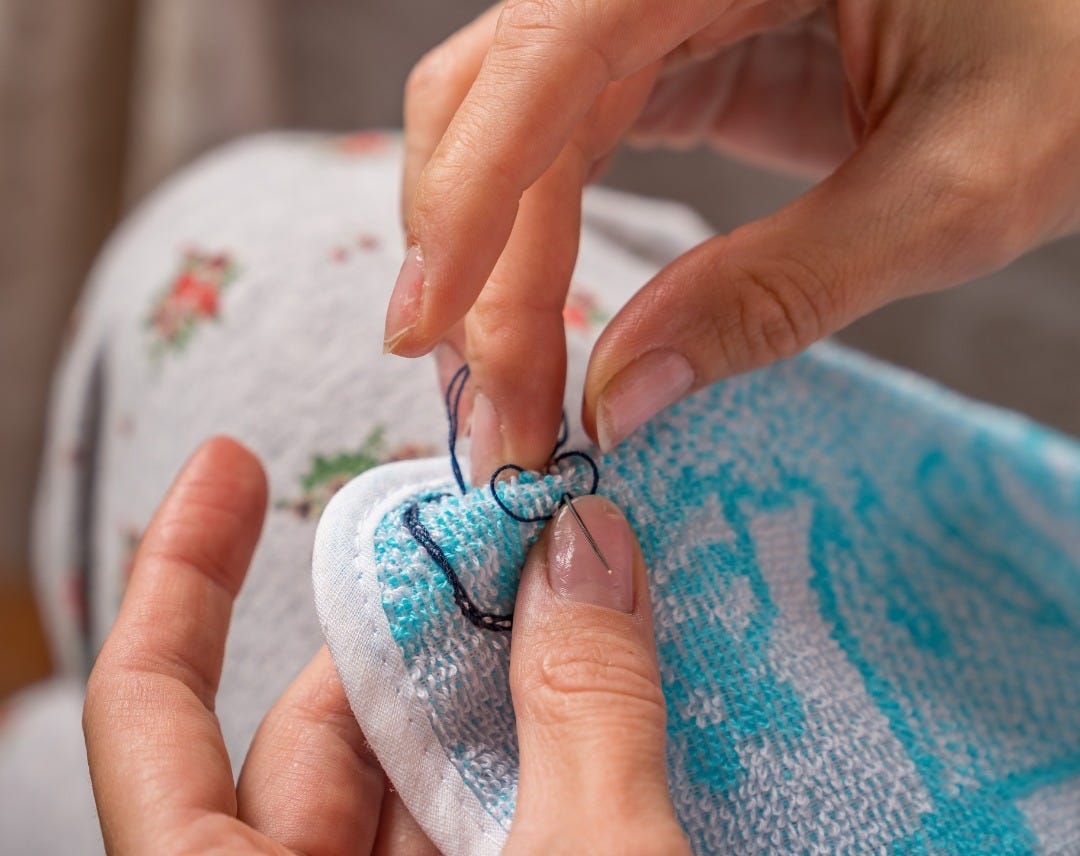
Another key skill of any homesteader is the ability to mend and repair clothing. When you’re living a more self-sufficient life, you learn to take care of your possessions rather than throwing them away. This is not only practical but also a great way to save money. Mending clothes can be done with just a few basic tools: a needle, thread, fabric patches, and scissors. Learning how to patch torn clothing, sew on buttons, and even hem pants can save you a lot of money in the long run. I think consumer mentality of buy, buy, buy and throw anything away that has wear can be a bit silly. Obviously some items will run through their life, but we have become so accustom of just buying new things every season for every style.
Rather than throwing away items that have small issues, you can mend them, breathe new life into your clothes, and avoid contributing to the wastefulness of fast fashion. By mending clothes, you’re also developing a deeper connection with your belongings. It’s a skill that will serve you well, especially if you’re looking to become more resourceful and independent.
Synthetic vs. natural fibers
I sew occasionally, but I do basic mends to my clothing when there are holes or buttons missing. I’m currently in the process of replacing my clothing with natural fibers. So not purchasing anything that is synthetic like polyester or nylon anymore but instead opting for 100% cotton, wool, or linen. When you go down the rabbit hole, you discover what you wear affects your hormones, like everything else. Natural fibers are beneficial for us though. This is something everyone can do.
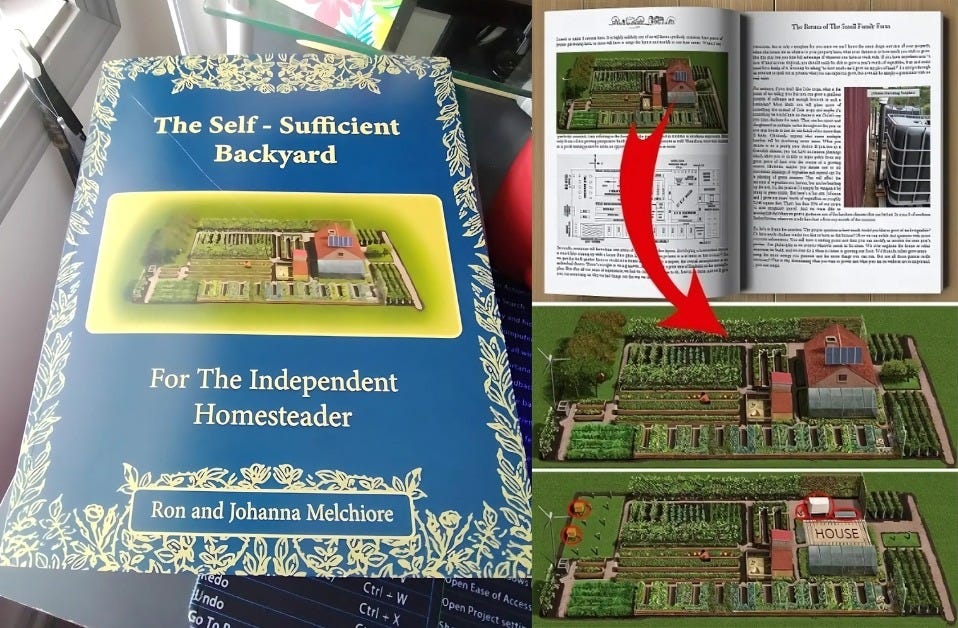
Turn your backyard into a self-sufficient haven! The Self-Sufficient Backyard book shows you how to grow food, raise small livestock, and live more independently.
Composting in the Kitchen
Composting is one of the easiest and most impactful ways to live more sustainably in the city. It cuts down on waste, recycles your kitchen scraps, and creates nutrient-rich soil for your plants. Even if you don’t have the space for a big backyard compost pile, you can still compost right in your kitchen or on a balcony.
Two of the most popular options for small-space composting are worm bins and bokashi buckets.
Worm Bins
A worm bin is a compact container filled with composting worms—red wigglers are the most common choice. These little workers break down food scraps quickly and efficiently, turning them into a dark, crumbly compost that’s excellent for potted plants and small gardens. Worm bins are surprisingly low-maintenance and can easily fit under a sink, in a closet, or on a balcony.
Bokashi Buckets
If worms aren’t your thing, bokashi composting is another great option. Instead of relying on worms, this method uses a fermentation process. Food scraps are added to an airtight bucket along with bokashi bran (which contains beneficial microbes). It’s fast, odor-free, and ideal for apartment living.
Both methods give you the ability to turn everyday food waste into a valuable resource. Instead of throwing scraps into the trash, you’re creating a cycle where nothing goes to waste—your plants get healthier soil, and you reduce what ends up in the landfill.

A Few Last Words
Urban homesteading is not only possible but it is incredibly rewarding. With a little creativity and resourcefulness, you can embrace a more self-sufficient lifestyle, no matter where you live. Don’t forget that engaging with your community is another form of homesteading so attending those farmer’s markets or joining homesteading groups with other individuals seeking the same kind of hobbies and lifestyle as you. You will grow and learn together.
From growing your own food in small spaces to raising animals and practicing sustainable habits like composting, urban homesteading offers a way to reconnect with your environment and community and live a fulfilling, independent life.
It’s all about taking control of your resources and finding solutions that work for your space, your schedule, and your values. You may not think you have time to do this, but you do. Whether you’re growing herbs on a windowsill or harvesting honey from your rooftop, homesteading in the city can be as rewarding as it is empowering. So, start small, and see how much you can grow—both in your space and in your skills.
Your advice for gardening in confined spaces is commendable. It is paradoxical perhaps that most suburban properties invest time, effort and pride in creating and maintaining spacious monoculture lawns around their homes. Here in Australia, especially during the 1960-90s, newly arrived immigrants from Europe would tear up urban front garden lawns and flower beds and plant vegetables and fruit trees. Unfortunately urban councils would quickly serve notices of "obstruction hazards" if tree branches overhang pavements. Some gardeners would plant vegetable rows along the kerb side verge. Again some councils served notices of "traffic hazard"! I know of one family that encouraged free harvesting of seasonal herbs and vegetables from their front gardens They encouraged a free barter system of "take some, leave some". These were and still are happy neighbourhoods.
Amazing messaging. Thank you for posting. I hope people take the bait 🙏🏼🙏🏼🙏🏼
I am new here but Share Your Perspective is offering collaboratively created content on a variety of topics. Please check us out.