


Those who have already been following me for a while know that modern laundry is not “clean.” It’s clean PLUS endocrine-disruptor-adjacent perfume.
You wash your clothes and then you wear them pressed against your skin for 16 to 18 hours per day. If anything in that chemical mix doesn’t rinse out properly, it’s not a one-time thing. You’re wearing it on your skin every single day, over and over again.
And the weird part is how normalized it is to perfume underwear. kek!
What it does to your skin
Almost nobody is “allergic to detergent.” What you get is something simpler and more annoying: irritation.
Detergent residue can mess with your skin barrier and your skin microbiome. Just like your gut microbiome, it’s basically your first line of defense between the outside world and you. Add sweat, heat, tight clothes, and synthetic fabrics, and suddenly you get itch, dryness, random redness, or that low-grade burn that makes you want to crawl out of your own shirt.
Dermatology advice is boring for a reason. Go fragrance-free, ditch softeners, stop overdosing detergent, and rinse properly. You do that and the “mystery skin problems” often calm down.
Now yes, true allergy can happen too. A big culprit in the “why is my skin exploding” world is preservatives like methylisothiazolinone, which shows up across household products and has a long history in contact allergy discussions.
The concerning part people miss: your air
The “fresh laundry smell” does not live only on fabric. It gets into the air.
Researchers have measured volatile organic compounds coming out of dryer vents when fragranced detergents and dryer sheets are used. So if you want the simplest summary: You can be breathing your laundry additives, not just wearing them.
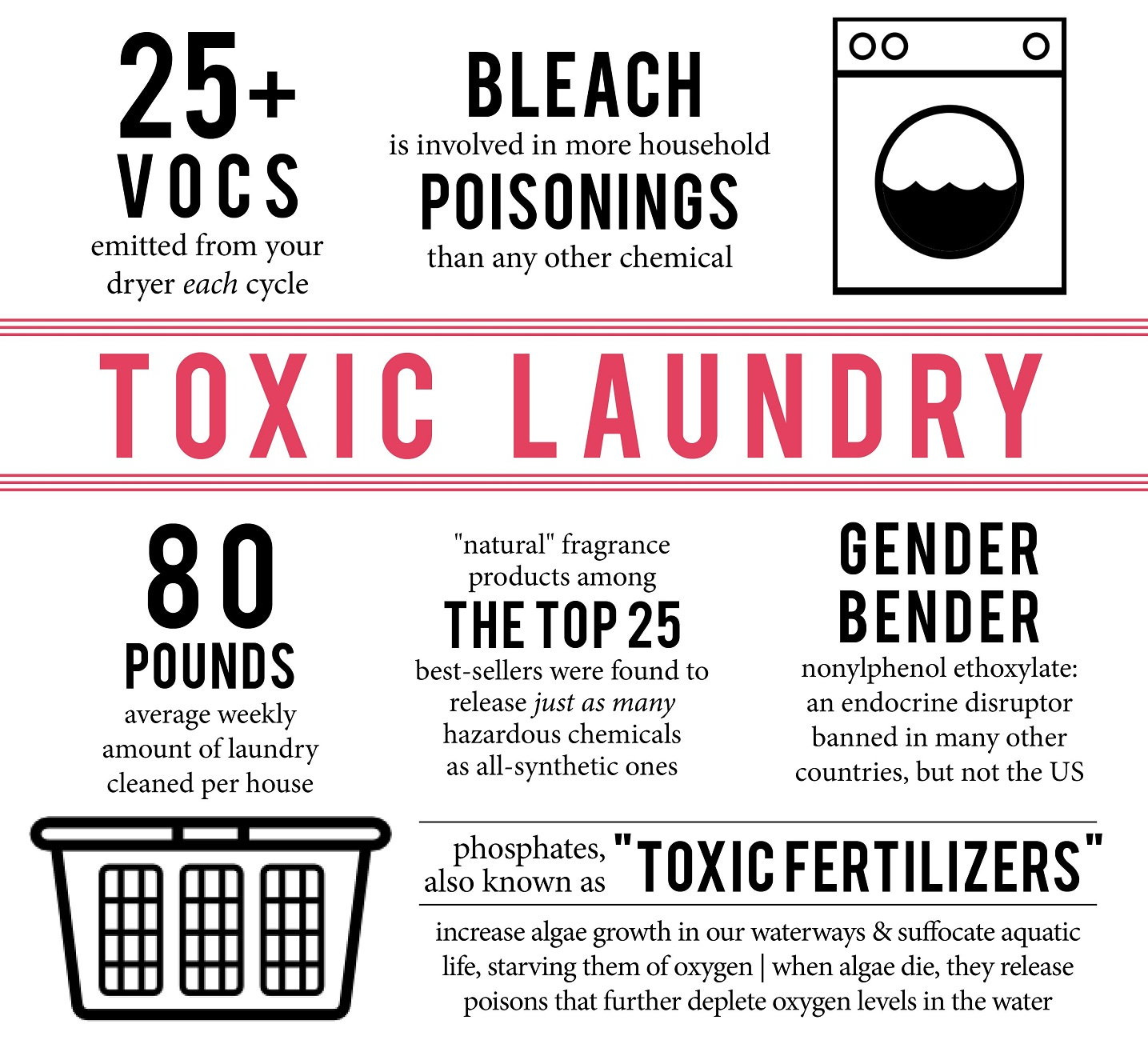
If your house feels stuffy, your sinuses are angry, or you get headaches around “cleaning day,” it’s not crazy to look at the fragrance cloud first.
Hormones: a serious issue
I’m not going to tell you your T-shirt is directly lowering your testosterone, but endocrine disruptors are real, and the science is mainstream and widely accepted.
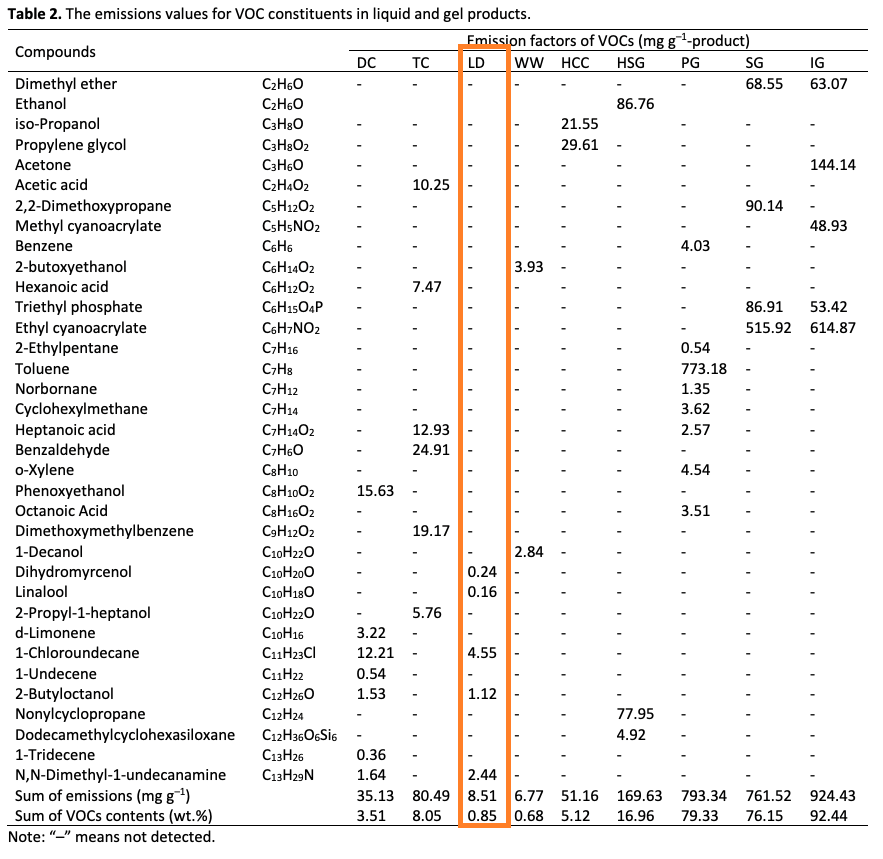
The honest angle is this: We live in a chemical soup. If you want to lower your overall exposure load, fragranced products are the easiest place to start. Fragrance blends can hide behind “trade secrets,” and some harmful phthalates are historically associated with fragrance use in personal care contexts.
So no, I’m not claiming laundry detergent is single-handedly wrecking your hormones. I am saying: wearing perfume chemicals on your skin daily is a weird and harmful habit, and opting out is easy and especially cheap.
What to do instead
You don’t need to turn into some eco-hipster. You just need less toxins, less fragrance, and the same cleaning power.
Here’s a setup that will improve things:
1) Switch to fragrance-free, dye-free detergent
This is the highest ROI move. If you do only one thing, do this.
2) Use less detergent than the label says
Labels are not written by your skin. They are written to make you rebuy faster.
3) Add an extra rinse
If you’re sensitive, this is basically “stop leaving chemicals in the fabric.”
4) Drop fabric softener and dryer sheets
These are basically fragrance delivery systems. Also, they show up in the dryer-emissions research conversation for a reason.
But there is even a better solution. If you want a cleaner, low-irritation wash without the perfume layer, use things that do work that your ancestors have used for generations:
Real soap wash (old-school and effective)
This is the closest to what people actually did before modern detergents.
What you use:
Soap flakes (pure soap, no perfume) or unscented Castile soap
Washing soda (sodium carbonate) as the “booster” and water softener
Optional: oxygen bleach (sodium percarbonate) for whites, towels, gym clothes
Recipe (one normal load)
1 to 2 tbsp soap flakes (or ~1 tbsp liquid Castile soap)
1 to 2 tbsp washing soda
Oxygen bleach: 1 tbsp for whites/towels, or soak for nasty odor loads
That’s it, fren! Clean clothes, less residue, less perfume, better health.
What else makes it a perfect wash
This is the stuff that matters more than people think:
1. Temperature - cold water is fine for light loads. But for towels, bedding, gym clothes, anything funky, use warmer water if your fabric can take it.
2. Pre-treat your laundry - for stains, do not rely on the main wash.
Rub with a bar of pure soap or a drop of Castile
Let it sit 10 minutes
Then wash
3. Rinse properly - if you’re sensitive, the “perfect wash” is simply the wash you actually rinse out. Extra rinse is underrated.
4. Skip softener - fabric softener is basically a coating. If you want softness, do one of these instead: Vinegar in the rinse (small amount, like 1–2 tbsp)
Just don’t combine vinegar in the same phase as oxygen bleach. Use vinegar only in the rinse cycle.
5. Clean the machine - if the washer smells, your clothes will smell. Run a hot empty cycle sometimes (with washing soda).
Takeaway
I started looking into alternatives, and my skin got so much better after switching to washing soda and soap flakes.
So if your skin is irritated, if your indoor air feels heavy, or if you’re trying to lower your chemical load without turning into a hermit, start with laundry (and avoiding seed oils—wink wink).
It’s daily, it’s direct contact, and it’s one of the easiest things to fix.
If this kind of “practical, unpopular truth” content is your thing, check out my article below. And if you want to be part of my research, consider becoming a paid subscriber—it helps me in the long run. Peace.


I make my own detergent-2 cups borax, 2 cups washing soda, 1 bar of Fels Naptha grated. Use 1 heaping tablespoon. For the dryer, 3-4 wool dryer balls sprayed with combo of 8 oz distilled water, tablespoon of witch hazel and essential oils of choice.
Great post, I switched to soap flakes a couple of years ago and would not go back. They can be scented with pure essential oils and you only need a few drops. I make a liquid laundry detergent by mixing the 50g soap flakes to 1 litre of boiling water, let the soap flakes dissolve, cool, add essential oil and voila homemade detergent liquid, and so, so cheap compared to buying in the supermarket, and best of all no nasty chemical additives.