


“They handed you speed, not to help you but to keep you from noticing the shortcuts they took.” — Aldous Huxley
We live in a world that worships convenience. Everything faster, smaller, easier — but rarely better. Huxley wasn’t just talking about pills or technology; he was warning us about the quiet trade-offs hidden behind “progress.”
They told us it was innovation. In reality, it was a sleight of hand — a world rebuilt for profit, not people.
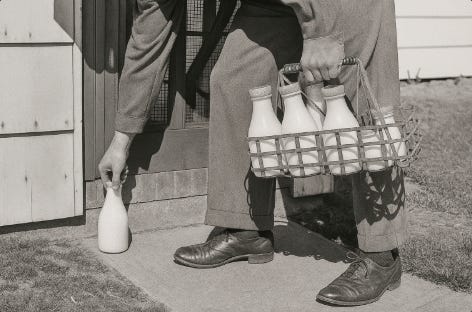
1. Every bottle used to be glass, not plastic.
There was a time when the milkman collected glass bottles at your doorstep. They were washed, reused, and nothing ended up choking the oceans. Then came “disposable culture.” Oil companies and chemical giants saw an opportunity — to convince the public that single-use plastic was freedom. It was lighter, cheaper, “modern.” What they didn’t say: it never truly disappears. Every piece ever made still exists somewhere — buried, burned, or floating in the sea.
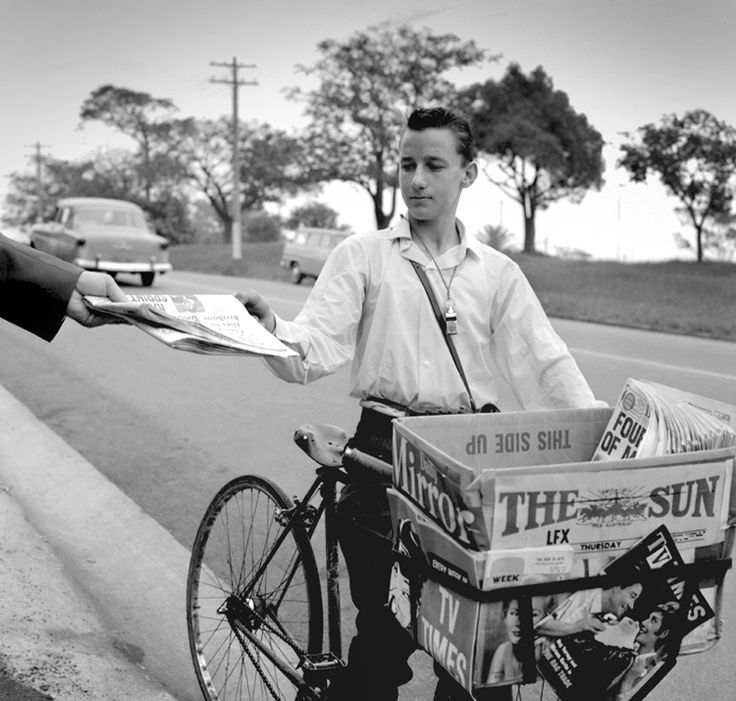
2. News used to arrive once a day — in print, with facts.
The morning paper once had weight — not just in your hands, but in meaning. You could trust, or at least believe, that what you read had gone through a mind, not a machine. Facts mattered. Words had responsibility.
But now?
Pick up a newspaper and you’ll see the decay. Trigger headlines built to provoke, not to inform. Half-naked ads turning women into commodities. Artificial lifestyles sold through glossy pages — plastic bottles, fake food, corporate poisons dressed up as “modern living.”
Nothing feels real anymore. Even morality is sponsored.
They don’t report news — they sell narratives. Everything has become a business model. Behind every “story” is an investor, behind every “cause” is a client.
They serve whoever signs the cheque. If you had enough money, you could make them dance to your tune — just like a circus. Truth isn’t the product anymore. Emotion is. Manipulation is.
And the saddest part? Most people still think they’re being informed.
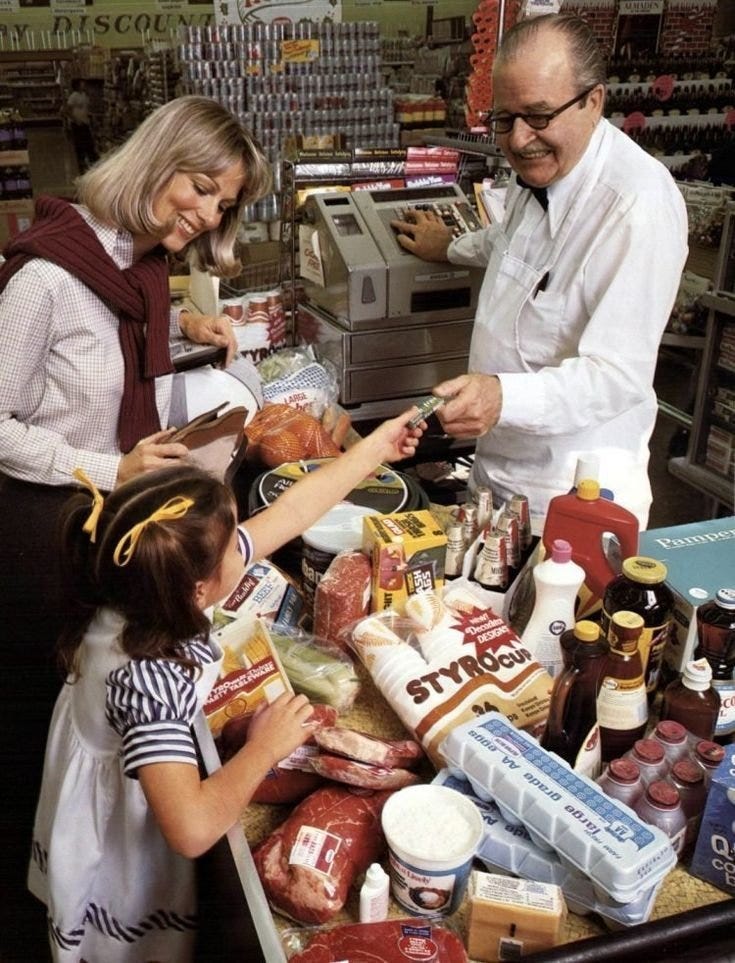
3. You used to walk into a store and talk to a person
There was a time when shopping meant connection — a conversation, a smile, a shared sense of community. The grocer knew your name, the tailor remembered your size.
Now? You’re the cashier, the bagger, and tech support. You scan, pack, pay, troubleshoot — all while being told it’s “more efficient.”
But it’s not faster. It’s unpaid labor disguised as innovation. They sold you “self-checkout” as convenience, but it’s just corporate cost-cutting — one less job for a human, one more task for you. Machines replaced people, and then they made you the machine.
And here’s the trick — you even thank them for it.
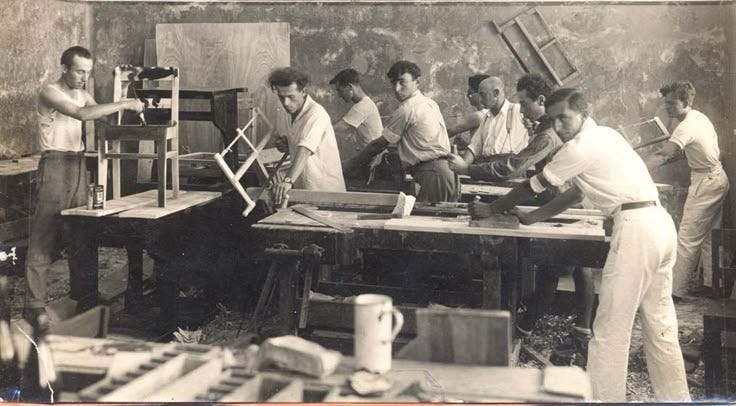
4. Things used to be built to last.
There was a time when every object carried pride. A table was made to outlive its owner. A fridge ran for decades. A pair of shoes could be repaired, not replaced. The people who built them cared — their name, their craft, their reputation meant something.
Now everything breaks.
Your phone slows down after every update, your washing machine dies right after the warranty ends, and your laptop battery is glued shut so you can’t even replace it. Your earbuds stop working the moment a new version drops, your printer refuses to print because the cartridge “expired,” and your smart TV feels old before you finish paying for it. Even the wood has changed — my grandmother had a table that stood strong for decades, passed through seasons and generations, while today’s furniture warps and cracks within a year. Nothing lasts anymore because it’s not meant to. It’s all designed to break — not by accident, but by profit.
It’s called planned obsolescence — they make it weaker, so you buy it again. Every broken product is a sale reborn.
Workmanship was replaced with margins. Quality gave way to quotas. The craftsman disappeared, and the shareholder took his place.
Once, we built things to last. Now, they build things to expire. Because your frustration is their profit.
5. Food used to rot.
Food used to rot — naturally. In the 1800s and early 1900s, meals were real. Bread was baked in wood-fired ovens, milk soured in a day, fruits bruised because they were alive. People cooked with ingredients, not chemicals. If something lasted too long, you didn’t trust it.
But now everything is engineered to survive. Shelf-stable, lab-grown, flavor-enhanced, and wrapped in plastic — designed not to nourish you, but to stay on the shelf. The longer it lasts, the less life it contains.
We’ve traded freshness for convenience, and nourishment for profit. You’re not eating to live anymore. You’re consuming what endures — not what sustains.
6. Fast food used to be real food.
Fast food used to be real food. Fries were cooked in beef tallow, rich and golden. Ice cream was made with real milk, thick and creamy — not synthetic powders and gums. You could actually taste the ingredients, not the preservatives.
Then they optimized everything — not for flavor, not for health, but for shelf life, speed, and margins. Real ingredients were replaced with formulas, oils, and chemicals that could survive months in storage. The kitchen turned into a factory line, and the cook became a timer on a screen.
It wasn’t made faster for you. It was made cheaper for them. And you pay the real price — not at the counter, but in your body.
7. Cities used to feel different.
You could step off a train and instantly know where you were by the scent of the air, the sound of the streets, the colors of the walls. Paris didn’t look like London. Dhaka didn’t feel like New York. Every city had its own heartbeat, shaped by the people, the culture, and the land beneath it.
Now everything looks copy-pasted. The same glass towers, the same coffee chains, the same billboards selling the same illusions in every language. You could wake up anywhere and not know where you are because every place has been sterilized into sameness.
And the people? They look programmed. Everyone’s rushing somewhere, eyes locked on screens, hearts locked in routine. No pause, no breath, no real conversation. Families share homes but not moments. Nature is something you drive to, not live in.
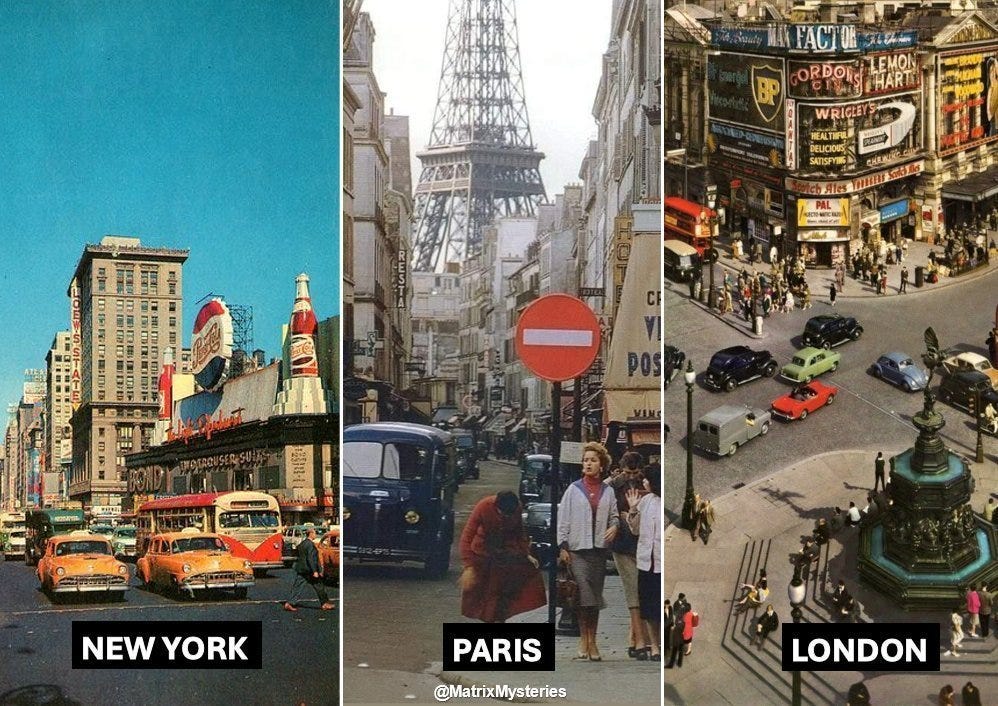
They called it convenience. The system optimized life for productivity, not peace. Cities got bigger, but souls got smaller. Efficiency came at the cost of character and connection.

8. Rest used to be human.
People once earned their sleep through real work — physical, honest, connected to the rhythm of the day. Nights were quiet, slow, sacred. Families gathered, minds unwound, and rest was a part of life, not an item on a to-do list.
Now rest is a luxury. You’re allowed to pause only so you can perform again. Sleep isn’t for healing; it’s for recharging productivity. Even your downtime is monetized from wellness apps to “self-care” products that sell you the illusion of peace while keeping you online.
The rat race never ends. You wake up tired, scroll before breakfast, chase deadlines, and call it progress. Convenience made everything easier — except living.

And the rise in mental illness isn’t a mystery. It’s a metric. A symptom of a world that traded stillness for stimulation, and human needs for machine speed.
9. What Changed?
In the 1960s, a factory worker, teacher, or small business owner could afford a house, raise a family, take vacations, and retire with dignity all on a single income. There was struggle, sure, but life had balance. One paycheck could sustain a home, three meals, and a future. People had time to talk, to rest, to live.
Today, two full-time salaries can barely cover rent. Families are drowning in debt, not because they’re careless, but because the system quietly shifted beneath them. Wages froze while prices rose. The cost of living skyrocketed while the value of life plummeted.
Homes turned into assets. Education became a business. Healthcare became a subscription. Every basic need was privatized, packaged, and sold back to us at a markup.
The dream didn’t die; it was priced out.
We were told to work harder, study longer, hustle more. But it’s not about effort anymore — it’s about design. The game changed, and most people didn’t notice. What used to sustain a family now barely sustains survival.
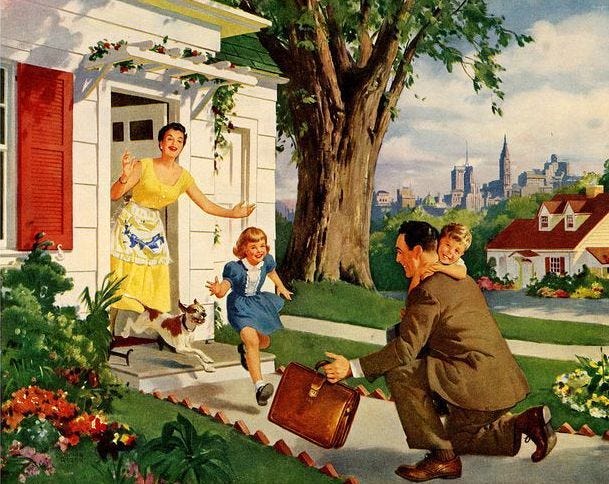
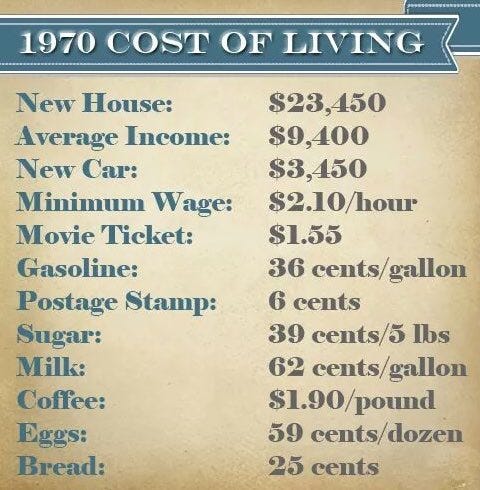
They call it progress. But for most, it feels like slow suffocation dressed as success.
10. The Death of Family — and the Rise of Institutional Parenting
With both parents working, someone had to raise the children. Enter daycare, public schools, and media indoctrination.
Children were no longer raised by their families, but by institutions and strangers. The system shaped young minds, grooming them to accept the new reality and lose connection with family values.
The result? A generation of kids raised by the state, with family stability eroded, and parental influence fading.
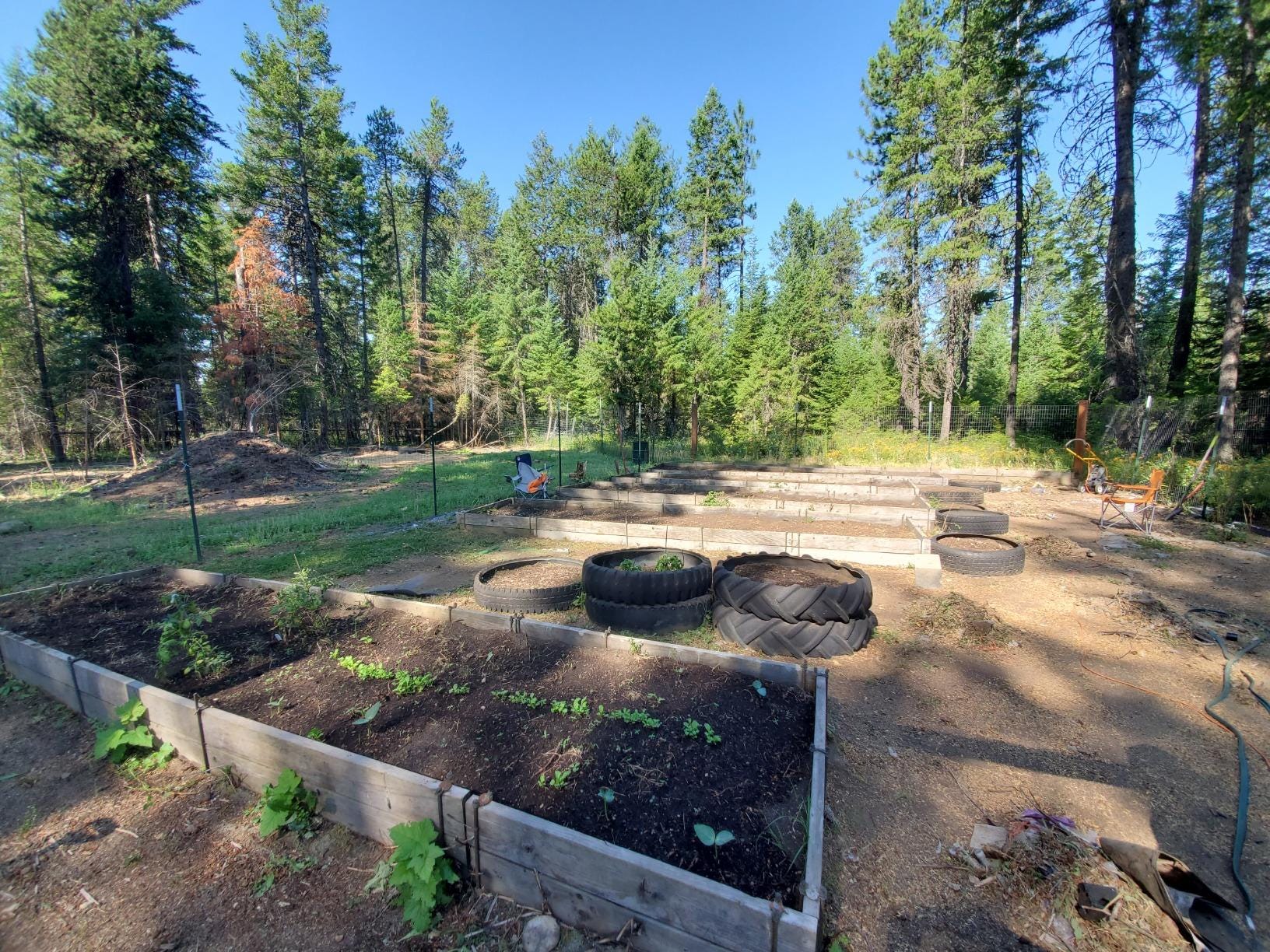
For readers who want to take a practical step toward independence and sustainability, The Self-Sufficient Backyard offers clear, experience-based guidance. Written by a couple who have lived off-grid for more than 40 years, it explains how to design a productive homestead—growing your own food, collecting clean water, generating power, and reducing waste.
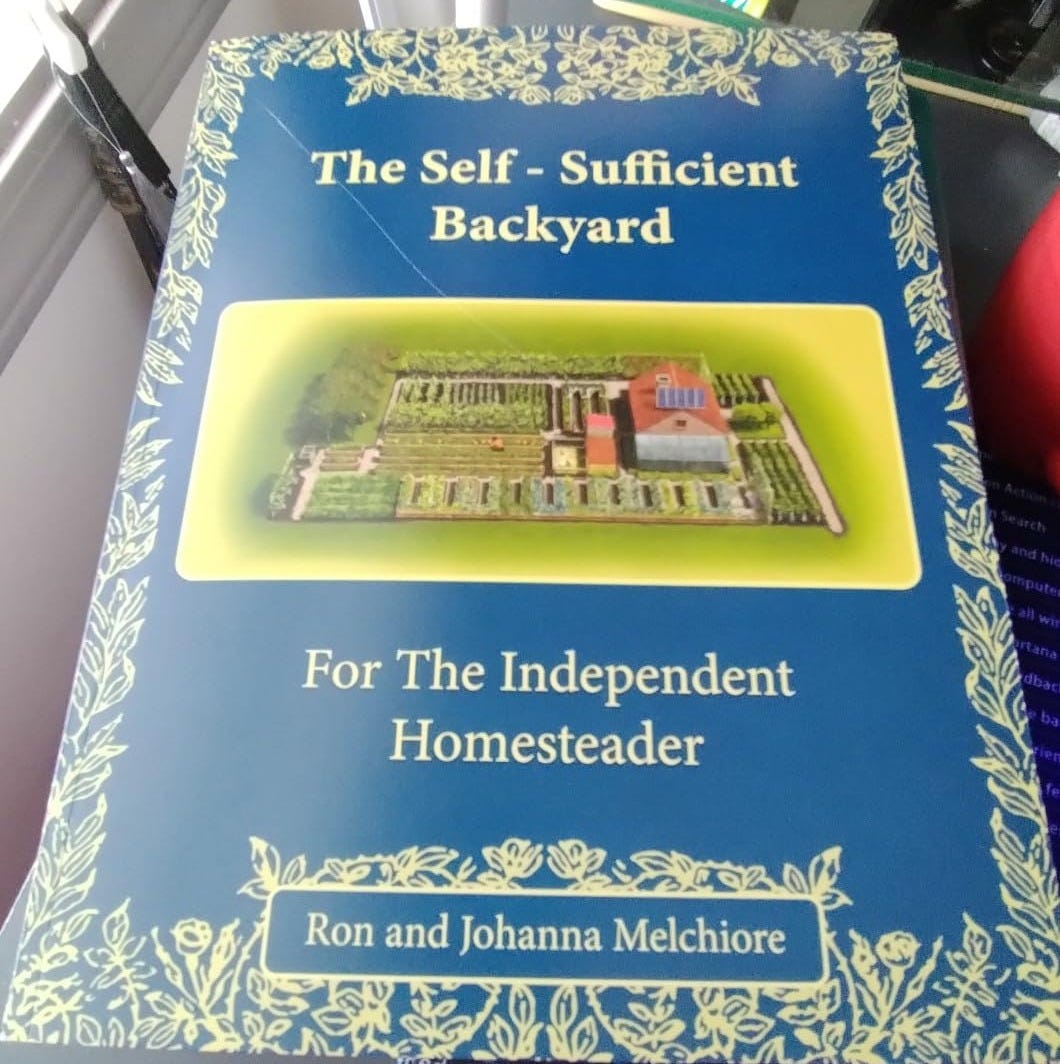
It’s not a theory book or a trend piece—it’s a blueprint for regaining control over the essentials of life, even on a small piece of land. You can learn more about it here:
This is a very factual piece, well written and truthful, thank you for writing this, it makes you think about how badly we have changed our landscape to live under their control. How sad!
"THE LIGHT BULB CONSPIRACY" DOCUMENTARY:
You said: "Nothing lasts anymore because it’s not meant to. It’s all designed to break — not by accident, but by profit. / It’s called planned obsolescence — they make it weaker, so you buy it again. Every broken product is a sale reborn."
I encourage everyone to spend 58 minutes watching "THE LIGHT BULB CONSPIRACY." This 2010 European documentary is an eye-opener. (And it's not just about light bulbs.) It's free on YouTube now:
https://www.youtube.com/watch?v=wzJI8gfpu5Y