


For years, we’ve been warned to avoid the sun and cover ourselves in chemical-filled sunscreens to protect our skin. It’s a message that’s been repeated so often, most people accept it without question.
But let’s take a step back. The sun is a vital part of our natural world—without it, life on Earth simply wouldn’t exist. Since the beginning of human history, we’ve lived under its light. Our bodies are actually designed to benefit from sunlight, and regular exposure is essential for maintaining good health.

Benefits of Sunlight
Sunlight helps regulate the body’s natural sleep-wake cycle (circadian rhythm).
The sun’s ultraviolet (UV) rays trigger the skin to produce vitamin D, a crucial nutrient for bone health, calcium absorption, and immune function. Vitamin D also plays a role in regulating blood pressure and blood sugar levels.
Sunlight stimulates the production of serotonin, a neurotransmitter that plays a key role in regulating mood. Increased serotonin levels can improve mood, reduce symptoms of depression, and promote a sense of well-being. Sunlight can also help improve symptoms of seasonal affective disorder (SAD). Otherwise known as the winter blues.
Some research suggests that sunlight may help improve skin conditions like eczema and psoriasis. Sunlight exposure may also lower blood pressure by stimulating the release of nitric oxide.
Danger Zone
According to scientists, our sun has become increasingly harmful to us due to a thinning of the Earth’s ozone layer.
Scientists say this layer naturally filters out harmful UV rays, and its depletion, primarily caused by ozone-depleting substances like CFCs, means more UV radiation reaches us, increasing the risk of skin cancer, cataracts, and other health problems.
Now, I cannot confidently say whether this is true or false, as there is a lot of speculation these days surrounding these subjects. But instead of debating this subject we are going to look at history and nature to tell us a story.

What Nature Teaches Us
Step outside in the early morning and you’ll see the world come alive—the sun rising gently, birds singing, squirrels darting about. It’s a peaceful, vibrant time when nature seems to thrive.
If you’re observant, you might notice deer grazing quietly at dawn or rabbits nibbling on grass in your backyard. Animals instinctively take advantage of the morning sunlight, when it’s soft, warm, and energizing.
But have you ever noticed how still and quiet the natural world becomes around midday? Between roughly 11 a.m. and 3 p.m., most creatures seem to vanish. That’s no coincidence—this window lines up with the time of day when UVB radiation from the sun is at its most intense. And since animals are deeply attuned to their environment, their behavior tells us something important.
Nature isn’t the only teacher here. History also has a lesson to offer.
If we look at how ancient human cultures lived, we find similar patterns. Many civilizations—particularly in hot climates—built their days around the rhythm of the sun. Midday often meant rest, shade, or reduced activity. In some cultures, this tradition lives on today as the “siesta,” a midday pause designed to avoid the hottest hours and preserve energy.
In traditional African communities and elsewhere, taking a break at noon wasn’t about fearing the sun—it was about working with nature, not against it.
So what can we gather from all this? Animals, ancient societies, and even some modern communities avoid the peak sun hours—not out of fear of disease, but likely as a practical response to the heat. They sought shade, not because they thought the sun was harmful, but because they respected its power.
Historical cases
Cancers, specifically tumors, have been documented all the way back to the time of the ancient Egyptians, but skin cancer specifically, wasn’t documented until 1804 when scientific oncology proliferated with the introduction of the modern microscope. René Laennec a French physician at the time, made the first description of melanoma in 1804.
Now, what makes this interesting is that a cancer such as melanoma is known to spread rapidly. These obvious skin changes would have been noticed and documented, especially if it occurred not long before death. In fact, most skin cancers are noticeable and change color, texture, etc. And because our ancient ancestors weren’t stupid, it seems likely that if this was occurring, it would have been documented.
What Changed
Around the same time we find the first skin cancer being documented, butter and animal fats we’re being replaced for a cheaper, more shelf stable replacement—seed oils.
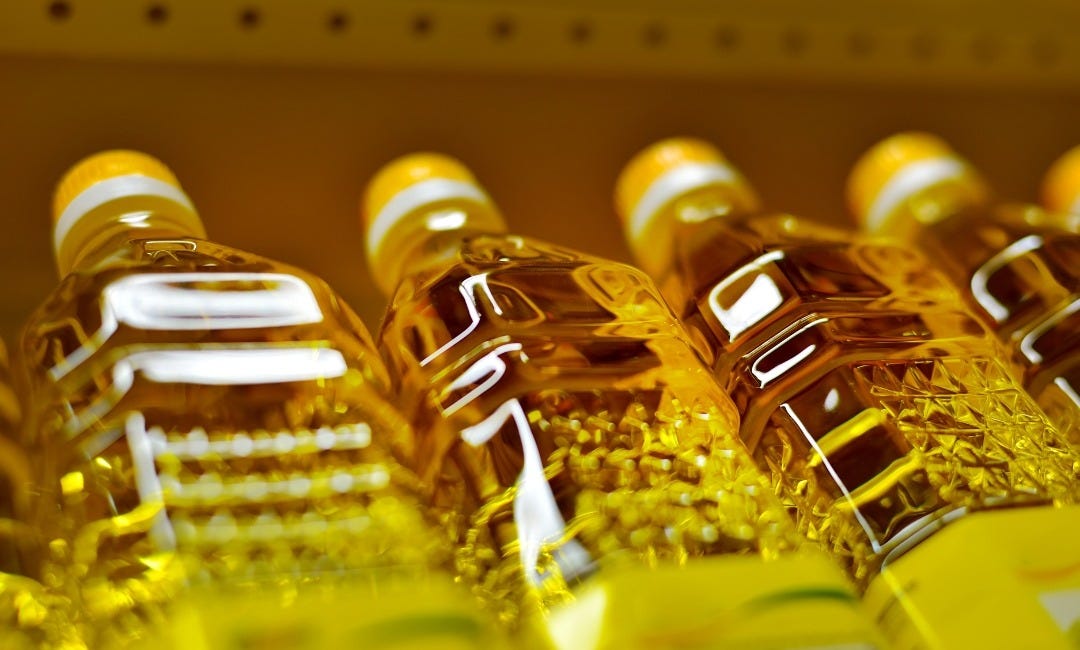
In the late 1700s—early 1800s the invention of mechanical oil presses revolutionized the mass production of industrial seed oils like rapeseed oil (canola oil). This oil was followed by the creation of flax, sesame, and cottonseed oils, with cotton seed, becoming one of the most popular.
By the mid-1800s, scientists began to adopt the use of solvents derived from crude oil, such as petroleum ether and hexane, to facilitate more efficient extraction of seed oils. This innovation boosted yield and broadened the applications of seed oils in industrial settings.
Thanks to the invention of the cotton gin, by the late 1800s, cotton production was booming, despite one major nuisance to producers. Cotton production resulted in the buildup of unusable, toxic waste from cotton seeds. With the help of new technology, the duo was eventually able to transform (or partially hydrogenate) liquid cottonseed oil into a solid fat that was creamy and butter-like.
In reference to cottonseed oil, the magazine Popular Science wrote: “What was garbage in 1860 was fertilizer in 1870, cattle feed in 1880, and table food and many things else in 1890.”
By the 1950s, seed oils were a staple in every home and strangely around this same time, we find a huge increase in skin cancer cases.
Today, seed oils have become a popular ingredient for almost all food products. We are told that seed oils are the healthier option to animal fats because they are high in unsaturated fat, but are they really?
The Hidden Danger
Linoleic acid is an essential omega-6 fatty acid that humans must obtain through their diet. It is a polyunsaturated fatty acid found in various nuts and seeds, but is also found within meat, eggs and dairy products.
Nuts and seeds are naturally high in linoleic acid. To give you an example, one tablespoon of sunflower seeds is 3 grams of linoleic acid and a half-ounce serving of pecans, nearly 3 grams of linoleic acid. As where something such as venison meat contains around 0.4 grams of linoleic acid.
In nature, it is extremely hard to find foods that are high in linoleic acid, aside from seeds and nuts. The Hansa tribe of Tanzania for example, who still live a primitive lifestyle eating meat, fruit, plants and honey, consume a diet that contains less than 2% linoleic acid.
NIH research recommends a daily limit for linoleic acid at— 12 grams per day for women and 17 grams per day for men. Obviously a little higher than a true hunter gatherer diet, but still within reasonable range.
Here’s where the problem begins…
Most modern humans are consuming extremely high amounts of linoleic acid on a daily basis. Way higher than we ever have before in all of human history, and this is solely due to the consumption of seed oils.
A good example is something like corn oil, which is used in many restaurants for frying. If you eat 3 tablespoons of corn oil, you would have to consume 65 ears of corn to be comparable. No human could ever sit down and eat this amount of corn. You would vomit before finishing.
The high consumption of foods that we wouldn’t have been consuming naturally, is what’s destroying our bodies, from the inside out.
Skin Cancer Connection
Aside from being linked to many other health disorders like heart disease and insulin resistance, high intake of polyunsaturated fatty acids (PUFAs), like linoleic acid in particular, has been linked to increased melanoma risk. Yet, a high intake of fat and of fish (which we are told to avoid) rich in n-3 fatty acids, has been associated with reduced risk of the disease.
Sunlight contains UV rays, which is ultraviolet radiation needed to produce vitamin D, but it also causes lipid peroxidation, which damages skin cells and our DNA. But UV rays cannot initiate lipid peroxidation without a catalyst, which is seed oil.
In fact, the degree of skin damage can be measured by the amount of lipid peroxidation present in the skin. The higher your consumption of seed oils, the higher your risks of melanoma and skin cancer.
Laboratory studies have reported toxic effects of fatty acids such as linoleic and arachidonic acid on cell types such as leukemia cells, human endothelial cells, and murine and human melanoma cell lines. Administration of linoleic acid resulted in increased epidermal oxidative damage, leading to accumulated mutations and increased risk of skin cancer, especially melanoma.
Humans sensitivity to sunlight hasn’t changed because of the ozone and UV rays. It changed for two reasons. First is less sun exposure. Modern humans are not outdoors all day every day, like we used to be, and this does indeed affect how the skin reacts to the sun. The second reason is because of our Standard American Diet (SAD), which is full of toxic oils and synthetic ingredients.
Avoiding UV rays is not the solution to avoiding cancer. In fact, your risks of skin cancer actually increase with less sun exposure, not decreases.
Oils You’ll Want to Avoid
Here are the main offenders, and it’s best to steer clear of them:
Canola oil (also known as rapeseed oil)
Corn oil
Cottonseed oil
Grapeseed oil
Soybean oil
Sunflower oil
Safflower oil
Rice bran oil
Peanut oil
I strongly advise avoiding these oils altogether, as well as any processed foods that contain them. They’re commonly used in packaged snacks, fast food, and even many items labeled as “healthy.”
Now, what about popular alternatives like avocado oil, olive oil, or coconut oil? They’re not seed oils, so they must be better for you—right?
Well, yes and no.
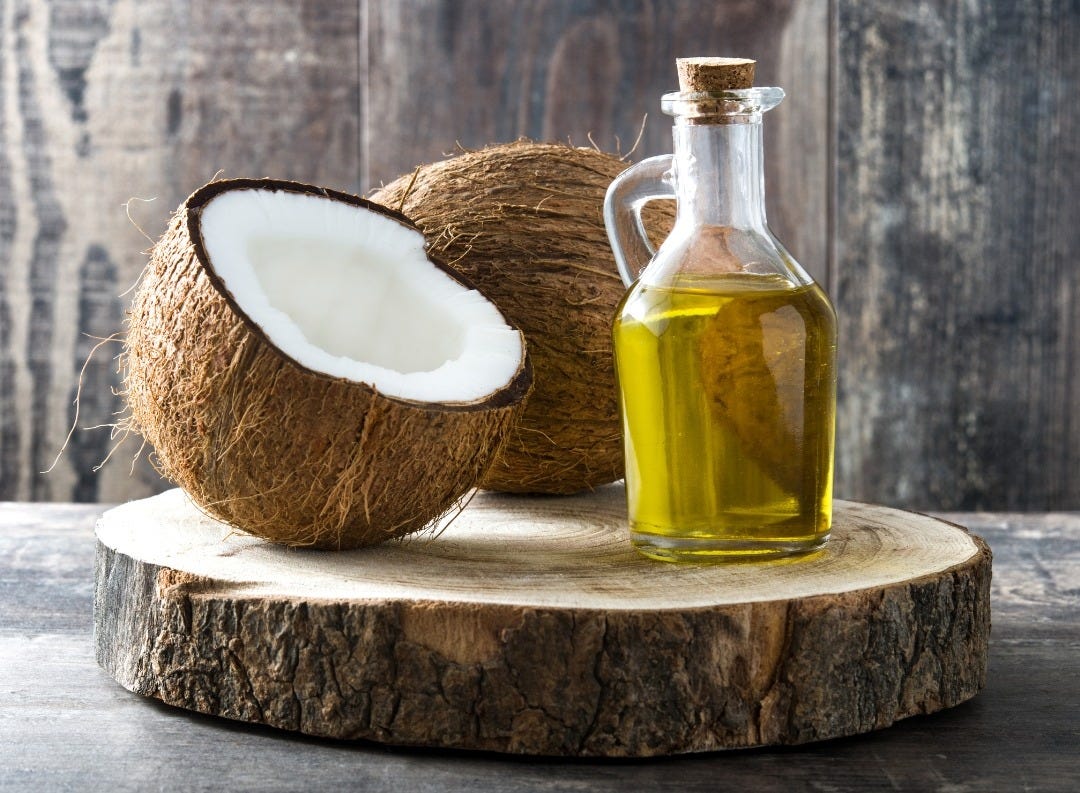
Of the three, coconut oil stands out as the best choice. It’s naturally low in linoleic acid—only about 2%—making it a safer and more stable option for cooking. Avocado and olive oil can still be healthier than seed oils in general, but depending on how they’re processed, their linoleic acid content can vary.
So when in doubt, reach for coconut oil first—and be mindful of the oils hiding in your everyday foods.
Olive Oil: 8—12% linoleic acid
When it comes to olive oil, we find a few things that could be concerning. First, many olive oil brands are diluted with other harmful seed oils. Second, most olive oil produced today goes through a refining process (which wasn’t being done historically) and this affects the purity of the finished oil.
Lastly, like many other seed oils, olives can’t be consumed by the pounds, and it would take something like 5 lbs of olives to get 3 tablespoons of oil. Now, with this being said, ancient cultures throughout the Mediterranean consumed olive oil quite often. But this oil was made by pressing the olives, and extracting the excess oil. And because olive oil was considered a delicacy, it also wasn’t being overconsumed in the way we use olive oil today.
Personally, I think if you’re able to find a good quality, cold-pressed organic olive oil, it would be fine to use in moderation. Overdoing, however could eventually become problematic.
Coconut Oil: 2% linoleic acid
Coconut oil has the lowest amount of linoleic acid out of all the oils, so this alone makes it a healthier option. Now the only thing that could be concerning again, is the amount consumed.
It takes around 3 coconuts to make 3 tablespoons of oil. And technically, it could be possible that a human could sit and eat three coconuts. But this would be pushing it and most likely the maximum they could consume. This means anything more than 3 tablespoons of coconut oil, would be unnatural for your body.
I think it’s safe to say that this is certainly a healthier option than any of the seed oils.
Animal Fats & Butter
Animal fat was the oil of our ancestors. The oldest records of animal fats being used for cooking dates back to around 500,000 years ago, and potentially as early as 1 million years.
In ancient Egypt and Mesopotamia, we find documented use of specific animal fats like lard (pig fat) and tallow (beef fat), which were commonly used for frying, food preservation, and in the production of candles and soap.
In the mid-20th century, research began to associate high saturated fat intake, often found in animal fats, with an increased risk of heart disease. This led to a public health focus on reducing saturated fat consumption.
Experts say that animal fats are high in saturated fats, which can raise LDL cholesterol, often called “bad” cholesterol which is often linked to heart disease. But is the rise and heart disease really linked to animal fats or could it be a result of the seed oils?
The intake of omega-6 vegetable oils, particularly soybean oil, began to increase in the USA starting in the early 1900s at a time when the consumption of butter and lard was on the decline.
This caused a more than two-fold increase in the intake of linoleic acid, the main omega-6 polyunsaturated fat found in vegetable oils, which now makes up around 8% to 10% of total energy intake in the Western world. The amount of linoleic acid in adipose tissue, but also in platelets, is additionally positively associated with coronary artery disease (CAD). This evidence supports the notion that it is not animal fats increasing the risk of heart disease and skin cancer, it is the seed oils and linoleic acid.
But don’t animals contain linoleic acid as well? And should we be concerned about these levels?
Yes they do, and there are some factors to consider.
Omega-6 fat linoleic acid should not be confused with conjugated linoleic acid found in pastured animals. Ruminants, have enzymes in their digestive system that convert the omega-6 fatty acids like linoleic acid to CLA.
Conjugated linoleic acid (CLA), is a healthy trans fat related to linoleic acid, and is found naturally in the meat and dairy products of ruminant animals like cows, sheep, goats and deer. CLA has been linked to various potential health benefits, including weight loss, reduced inflammation, and improved bone density.
The diet of the animal however significantly impacts the CLA content in their meat. Grass-fed animals or those raised on pastures, tend to have higher CLA concentrations compared to those fed grain or other concentrates.
Studies have reported that grass-fed beef showed 62% lower fat content, 65% lower SFA, and greater concentrations of omega-3 fatty acids and conjugated linoleic acid (CLA) compared to grain-fed beef.
Non-ruminant animals however, like humans, pigs and chickens, do not have the same ruminal bacteria and therefore cannot synthesize CLA directly from linoleic acid. This means, when our diet is too high in linolic acid, it builds up in the system, eventually causing health issues.
Cooking does not affect the fatty acid profile, therefore, if we eat meat that is high in linolic acid, we are still consuming it in high unnatural amounts.
Let’s take beef as an example. A cow raised on open pasture and allowed to graze naturally—eating grass, herbs, and other forage—will have a much lower amount of linoleic acid in its fat, typically around 1-2%. That’s because its diet is what cows are biologically designed to eat: grass and plants low in linoleic acid.
Now compare that to a conventionally farmed cow, which is often fed a diet heavy in corn, soy, and other processed feed to speed up growth. This unnatural, grain-heavy diet dramatically raises the linoleic acid content in the meat—often to 4-5% or higher. These are not foods a cow would choose in the wild, and the difference shows in the nutritional quality of the meat.
Let’s take a look at the linoleic acid content in some of these animal fats.
Butter: 1%—2% linoleic acid
Grass-fed butter: less than 1%
Beef tallow: 1—4 % linoleic acid
Grass-fed beef tallow: 1% linoleic acid
Bison tallow: 1%—3% linoleic acid
Pork lard: 11%—14% linoleic acid
It is easy to see that grass-fed and pasture raised animals have a lower content of linoleic acid compared to farmed animals. We also see the huge increase when we get to pork, and this is because, again, non-ruminant animals cannot synthesize linoleic acid.
Evidence here shows that animal fats are certainly the healthier alternative to seed oils. After thousands of years of use, they only became bad for us after the creation of seed oils. Go figure.
With this being said, choose your animal fat wisely. Grass fed is going to be the healthiest option, but sticking with ruminate fats such as tallow and butter is going to be better than using lard, unless you are sourcing from a wild hog.
Final Thought
Judging from my extensive research, seed oils are one of the main culprits to the skin cancer pandemic and one of the contributing factors to the health crisis we face here in the united states (sources below).
Do yourself and your family a favor and start replacing the seed oils for healthier options like coconut oil or animal fats. Purchase grass-fed if possible and avoid pork lard unless it’s from a wild hog or has been pasture raised. Eliminate products that contain seed oils such as salad dressings, cereals, snacks etc. And be picky about the ingredients. Give up these unnatural foods that your ancestors wouldn’t have eaten.
Lastly, avoid toxic sunscreens which have also been linked to skin cancer. If you feel the need to use any, purchase a natural product, made from minerals like titanium dioxide and zinc oxide.
Making these mindful changes may require some effort initially, but the long-term benefits are well worth it. Remember, small consistent choices can lead to significant improvements—your body will thank you for prioritizing real, nourishing foods over processed and potentially toxic seed oils.
💬 A Note from me(author)…
If you’re finding value in my writing and it’s helping your research or opening your eyes to new ideas, know that it truly means a lot to me. I write full-time here on Substack, and this platform is how I support myself and my family.
If you'd like to support my work and help me continue, consider becoming a paid subscriber. Not only will you be making a real difference, but you’ll also gain access to exclusive content, early releases, and deeper insights only available to subscribers.
Sources Below
https://pmc.ncbi.nlm.nih.gov/articles/PMC3569884/
https://www.sciencedirect.com/science/article/pii/S0002916523005737
https://aacrjournals.org/cancerres/article/62/2/433/509216/n-6-Polyunsaturated-Fatty-Acids-Increase-Skin-but
https://www.cambridge.org/core/journals/public-health-nutrition/article/populationbased-casecontrol-study-of-diet-and-melanoma-risk-in-northern-italy/2449A763C30EDDD59C663B6C500F011A
https://www.ncbi.nlm.nih.gov/books/NBK234930/
https://pubmed.ncbi.nlm.nih.gov/17657227/
https://pmc.ncbi.nlm.nih.gov/articles/PMC6196963/
https://pubmed.ncbi.nlm.nih.gov/16183568/
Credit: healthprimitive
This topic became very popular recently somehow, everyone is writing about the bad seed oils, but I just wonder corn, canola, soybeans, cottonseed plants were there for what, ages?? And people never made oils out of those?? First only in 20th century? Apparently soybean oil was already very popular early 1900, corn oil was used since 19th century, so why did the cancers didn't show up earlier??? GENETIC MODIFICATIONS of exactly those 4 first, corn, soybeans, canola, cottonseed. Because the genetic modifications introduced in parallel chemicals accompanying the growth of these new NO MORE PLANTS, but rather bacterial+viral+plants genetically modified HYBRIDS, one got not only a FOREIGN, PATENTED food on plates but additionally every cell was binding the No 1 Monsanto bestseller glyphosate, a carcinogen!!! Why the hell NOBODY IS TALKING ABOUT THESE REAL ISSUES HERE???? That's exactly the very same issue of everyone talking about covid 'vaccines', where in fact, these are gene therapies, have nothing in common with 'vaccines'. And the tip of it is, these jabs are NOW GENETICALLY MODIFY HUMANS, the genocide escalates, exponentially towards a total annihilation.
Last thing, anyone with the non-malignant skin basal carcinoma, just take 15% IODINE solution and cover the affected area 3-4 times a day. You cancer will be GONE in ~1 month! Didn't have a chance to test it on the malignant form, but worth to try too. Oh, actually Dr. Thomas Lodi says it worked for his melanoma patients too, just needs longer time, couple of months.
Very helpful article. Many years ago, I had a melanoma in situ, then a few years later breast cancer. I was on a vegetarian diet and eating "fake meat" occasionally (loaded with unnatural chemicals and ingredients) and not terribly healthily (it was in an institutional setting, so I ate what was given me). After cancer, I changed my diet drastically with adding good meat and have, so far, avoided a recurrence and that was over 28 years ago. Still, I could improve further based on your recommendations. The rest is in the good Lord's hands. Thank you.